
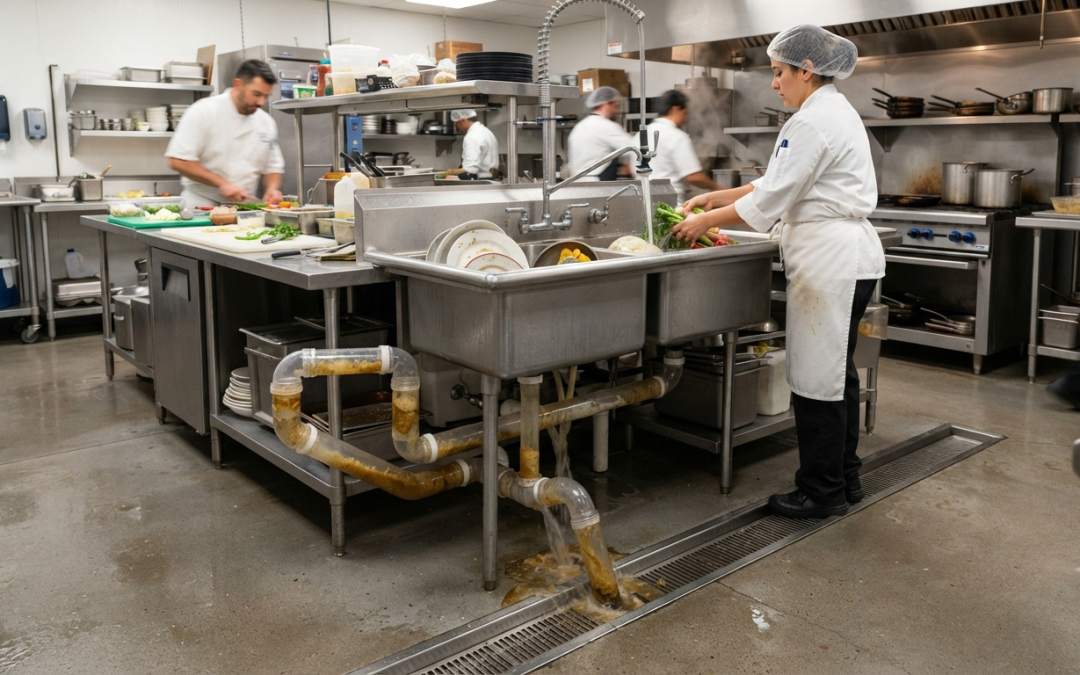
How Grease Build-Up Damages Commercial Drainage Systems
Commercial drainage systems play an essential role in keeping businesses clean, safe, and operational. Every day, wastewater from sinks, kitchens, washrooms, and cleaning activities flows through drainage pipes before entering the main sewer system. When these drainage systems function properly, businesses can continue operating without interruption.
However, one of the most common yet overlooked causes of drainage problems in commercial properties is grease build-up. Restaurants, cafés, hotels, food courts, factories, bakeries, supermarkets, and other food-related businesses generate large amounts of fats, oils, and grease during daily operations. Although these substances may appear harmless when washed down the sink in liquid form, they gradually cool, harden, and stick to the inside of drainage pipes.
As grease continues to accumulate, it narrows the internal diameter of the pipes, restricting wastewater flow and creating the perfect environment for recurring drainage issues. If left untreated, grease build-up can result in unpleasant odours, slow drains, repeated blockages, hygiene concerns, and costly repairs.
Understanding how grease build-up affects commercial drainage systems is the first step toward preventing expensive plumbing issues and maintaining a safe working environment.
What Is Grease Build-Up?
Grease build-up refers to the gradual accumulation of fats, oils, grease (FOG), and food residue inside drainage pipes.
Common sources include:
- Cooking oil
- Butter and margarine
- Meat fats
- Cheese and dairy products
- Gravy and sauces
- Food scraps
- Greasy dishwashing water
Many business owners assume these substances simply wash away with water. In reality, grease behaves very differently once it enters the drainage system.
When hot grease cools, it solidifies and sticks to the inner walls of the pipe. Over time, each layer attracts additional grease, food particles, soap residue, and other debris. Eventually, these layers become thick enough to reduce the amount of space available for wastewater to flow freely.
This gradual process often goes unnoticed until serious drainage problems begin to appear.
Why Commercial Properties Face Greater Risk
Commercial buildings experience much heavier drainage usage than residential homes.
Businesses such as:
- Restaurants
- Hotels
- Cafés
- Food courts
- Commercial kitchens
- Catering companies
- Food processing factories
- School canteens
prepare and clean large quantities of food every day.
This produces significantly more grease than a normal household.
Without proper grease management practices, commercial drainage systems can accumulate grease much faster, increasing the likelihood of frequent drainage problems.
The more meals prepared each day, the greater the amount of grease entering the drainage system.
How Grease Slowly Restricts Water Flow
Grease build-up rarely causes immediate blockages.
Instead, it develops slowly over weeks, months, or even years.
Initially, only a thin layer forms on the pipe walls.
As more grease enters the system, additional layers develop.
Eventually, grease begins trapping other materials such as:
- Food waste
- Soap residue
- Hair
- Dirt
- Small debris
These materials combine to create thick deposits that gradually reduce the pipe’s internal diameter.
As a result, wastewater flows much more slowly than intended.
Businesses may first notice:
- Slow-draining sinks
- Water pooling near floor traps
- Longer drainage times
- Minor recurring blockages
Without intervention, these small problems often become major drainage failures.
Why Grease Causes Recurring Drain Blockages
Many businesses experience repeated drain blockages without understanding the underlying cause.
Although a blockage may appear to have been cleared, grease remaining inside the pipes continues trapping new debris every day.
This creates an ongoing cycle:
- Grease sticks to pipe walls.
- Food particles attach to the grease.
- More grease enters the pipe.
- The blockage grows larger.
- Water flow becomes increasingly restricted.
Eventually, wastewater can no longer pass through efficiently.
Instead of experiencing a single blockage, businesses begin facing recurring drainage problems that require increasingly frequent maintenance.
Bad Odours Develop Inside Drainage Systems
One of the earliest warning signs of grease accumulation is an unpleasant smell coming from sinks, floor traps, or drainage outlets.
As grease remains inside the drainage system, food particles become trapped within it.
Naturally occurring bacteria begin breaking down this organic material.
During decomposition, gases are produced that create foul smells throughout the drainage network.
These odours may become especially noticeable in:
- Commercial kitchens
- Restaurants
- Food courts
- Cafés
- Hotels
Besides creating an unpleasant working environment, persistent drainage odours can negatively affect customer satisfaction and damage a business’s professional image.
Grease Creates Hygiene Problems
Commercial food businesses are expected to maintain high hygiene standards.
Unfortunately, grease build-up can make this much more difficult.
Blocked drains may cause wastewater to back up into sinks or floor drains, increasing the risk of contamination.
Standing wastewater can also encourage bacterial growth, creating unsanitary conditions inside food preparation areas.
Poor drainage hygiene may affect:
- Food safety
- Employee health
- Workplace cleanliness
- Customer confidence
- Regulatory compliance
Maintaining a clean drainage system is therefore an important part of overall commercial hygiene management.
Grease Attracts Pests
Grease deposits contain food residue that attracts unwanted pests.
Once pests discover a reliable food source inside drainage systems, they may begin nesting nearby.
Common pests attracted by grease include:
- Cockroaches
- Flies
- Rodents
- Drain flies
Besides creating hygiene concerns, pest infestations may damage a company’s reputation and increase the need for pest control services.
Keeping drainage systems free from excessive grease helps reduce the likelihood of pest-related problems.
Grease Places Extra Stress on Drainage Pipes
Many business owners believe grease only affects water flow.
In reality, grease also places additional stress on the entire drainage system.
As wastewater struggles to move through narrowed pipes, pressure increases throughout the network.
This additional strain may contribute to:
- Pipe joint leaks
- Increased wear
- Overflow risks
- Reduced drainage efficiency
- Premature pipe deterioration
While drainage pipes are designed for continuous use, unnecessary stress can shorten their service life and increase maintenance requirements.
Small Problems Become Expensive Repairs
Grease build-up often begins as a minor maintenance issue.
Unfortunately, delaying action allows the problem to grow.
What starts as a slow-draining sink may eventually lead to:
- Complete drain blockages
- Wastewater overflow
- Business interruptions
- Emergency plumbing work
- Property damage
- Increased maintenance costs
Many of these issues could be avoided through regular inspections and preventive maintenance before grease accumulation becomes severe.
The Importance of Grease Traps
Grease traps are one of the most effective ways to reduce the amount of fats, oils, and grease entering commercial drainage systems.
These devices are installed between kitchen sinks and the drainage system to separate grease from wastewater before it flows into underground pipes.
When functioning properly, grease traps help:
- Capture fats, oils, and grease before they enter the drainage system
- Reduce the risk of drain blockages
- Improve wastewater flow
- Protect underground sewer pipes
- Support better hygiene standards
- Reduce long-term maintenance costs
However, installing a grease trap alone is not enough. If it is not cleaned regularly, the trapped grease will eventually fill the unit and overflow into the drainage system, causing the very problems it is designed to prevent.
Businesses That Should Pay Extra Attention
Although grease build-up can affect almost any commercial property, some industries face a much higher risk due to their daily operations.
Businesses that should schedule regular drainage maintenance include:
- Restaurants
- Cafés
- Hotels
- Food courts
- Bakeries
- Catering companies
- School and university cafeterias
- Commercial kitchens
- Food processing factories
- Supermarkets with food preparation areas
For these businesses, keeping drainage systems in good condition is not only about preventing plumbing issues but also about maintaining food safety, hygiene, and smooth daily operations.
Signs Your Commercial Drainage System Needs Attention
Grease build-up often develops gradually, making it easy to overlook during the early stages.
Business owners and facility managers should watch for these warning signs:
- Water draining more slowly than usual
- Frequent drain blockages
- Bad smells coming from sinks or floor traps
- Gurgling noises after using sinks
- Water backing up into floor drains
- Overflowing grease traps
- Wastewater pooling around drainage areas
Addressing these warning signs early can help prevent more serious drainage problems and reduce repair costs.
The Importance of Preventive Drainage Maintenance
Waiting until a blockage occurs is often the most expensive approach.
Preventive drainage maintenance allows businesses to identify grease accumulation before it develops into a major obstruction.
Routine maintenance helps:
- Keep wastewater flowing efficiently
- Reduce unexpected drainage failures
- Maintain hygienic working conditions
- Lower emergency repair costs
- Extend the lifespan of drainage systems
- Support uninterrupted business operations
For businesses that rely heavily on commercial kitchens, scheduled maintenance should be part of their regular facility management plan.
Why Professional Drainage Services Matter
Commercial drainage systems are larger and more complex than residential plumbing systems.
Professional drainage specialists have the knowledge, experience, and equipment needed to assess the condition of commercial drains and recommend suitable maintenance solutions.
A professional drainage service can help with:
- Drainage inspections
- Grease trap maintenance
- Commercial drain cleaning
- Sewer maintenance
- Drain blockage diagnosis
- Preventive maintenance planning
Working with experienced professionals helps businesses minimise downtime while protecting their drainage infrastructure.
Long-Term Benefits of Managing Grease Build-Up
Managing grease build-up is not just about preventing blocked drains.
It also provides many long-term operational and financial benefits.
These include:
✔ Better drainage performance
✔ Fewer emergency plumbing issues
✔ Lower maintenance costs
✔ Improved workplace hygiene
✔ Reduced risk of unpleasant odours
✔ Better customer experience
✔ Longer lifespan for drainage systems
✔ Improved compliance with hygiene standards
By taking preventive action, businesses can reduce disruptions and keep their facilities operating efficiently throughout the year.
Conclusion
Grease build-up is one of the leading causes of commercial drainage problems, particularly in businesses that prepare or handle food every day. Although grease may seem harmless when poured down the sink, it gradually hardens inside drainage pipes, restricting water flow and trapping food waste, soap residue, and other debris.
Over time, this accumulation can lead to slow drains, unpleasant odours, recurring blockages, hygiene issues, pest infestations, and increased maintenance costs. If ignored, these problems may eventually disrupt business operations and require expensive repairs.
The best approach is prevention. Proper grease management, regular grease trap maintenance, and routine drainage inspections help keep commercial drainage systems operating efficiently while protecting your business from unnecessary downtime and costly plumbing issues.
Whether you operate a restaurant, café, hotel, food processing facility, or commercial kitchen, investing in proactive drainage maintenance is a smart decision that supports cleaner, safer, and more reliable business operations.
FAQs
1. What causes grease build-up in commercial drainage systems?
Grease build-up occurs when fats, oils, grease, and food residue are washed into drainage pipes during daily kitchen operations. As these materials cool, they harden and stick to the inside of the pipes. Over time, additional grease and debris accumulate, restricting water flow and increasing the risk of blockages, unpleasant odours, and drainage problems.
2. Which businesses are most affected by grease build-up?
Businesses that prepare food regularly are most at risk. This includes restaurants, cafés, hotels, food courts, catering companies, bakeries, school cafeterias, and food processing facilities. These businesses generate large amounts of grease every day, making regular drainage maintenance essential for preventing blockages and maintaining hygienic operations.
3. What are the warning signs of grease build-up?
Common signs include slow-draining sinks, recurring drain blockages, unpleasant smells from drains, gurgling sounds, overflowing grease traps, and wastewater backing up into sinks or floor drains. If these problems occur frequently, it may indicate excessive grease accumulation within the drainage system that requires professional attention.
4. How can businesses reduce grease build-up?
Businesses can minimise grease build-up by installing and maintaining grease traps, disposing of cooking oil properly instead of pouring it down sinks, scraping food waste into bins before washing dishes, and scheduling regular drainage inspections and preventive maintenance. These practices help keep drainage systems functioning efficiently while reducing costly plumbing issues.
5. Why is preventive drainage maintenance important?
Preventive maintenance helps identify grease accumulation before it develops into serious blockages or sewer problems. Regular inspections and maintenance improve drainage performance, reduce emergency repair costs, extend the lifespan of drainage systems, maintain workplace hygiene, and minimise disruptions to daily business operations.