
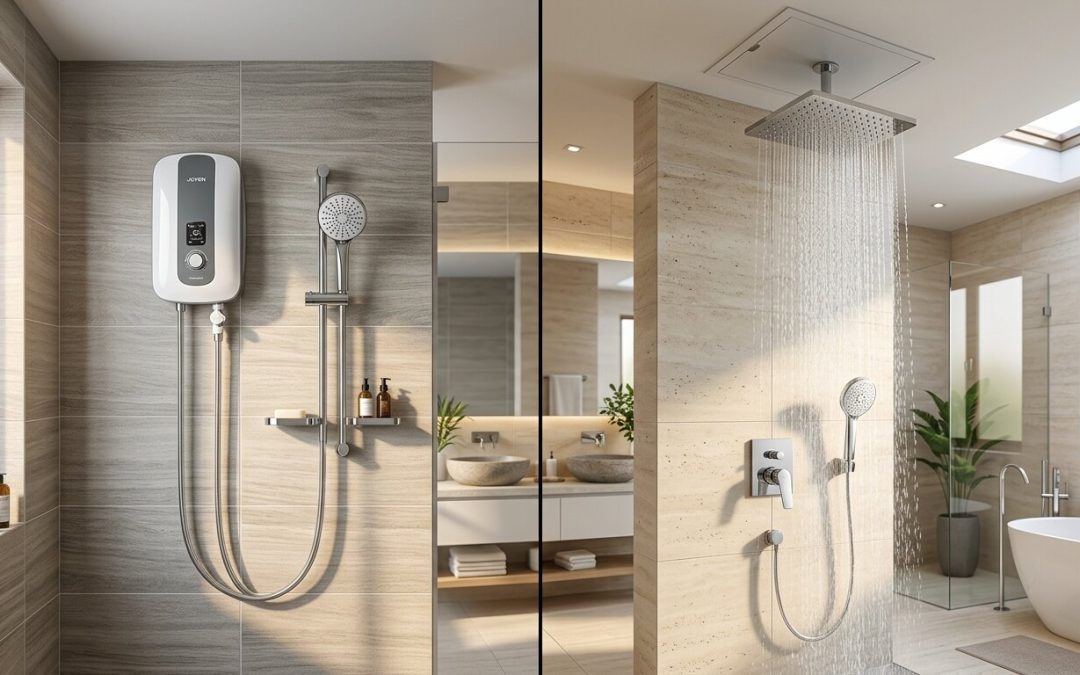
Instant vs Storage Water Heaters Which Is Better for Malaysian Homes
A hot, soothing shower is one of life’s simplest daily comforts, especially after navigating the humid afternoon heat or cool morning air in Malaysia. Whether you are moving into a brand-new high-rise condo in Kuala Lumpur, renovating a landed property in Selangor, or simply upgrading an aging home appliance, selecting the right water heating system is a crucial decision for your household.
Many property owners assume that all water heaters perform essentially the same task. However, the mechanism behind how water is heated—and delivered to your tap or showerhead—can make a massive difference in your daily utility bills, water pressure satisfaction, routine maintenance, and overall lifestyle convenience.
In Malaysia, two primary choices dominate the domestic market: instant water heaters (also known as tankless or inline heaters) and storage water heaters (also known as tank heaters). Each system utilizes distinct engineering principles, offers unique features, and presents specific trade-offs. Understanding these differences allows you to choose the exact appliance suited to your family size, house layout, and budget.
What Is an Instant Water Heater?
An instant water heater is a compact, wall-mounted appliance that heats cold municipal water on demand as it flows through a high-efficiency heating element inside the unit. Because it does not store heated water in an internal reservoir, energy is consumed only while the shower or tap is actively running.
When you turn on an instant shower unit, internal flow sensors immediately detect the water movement and activate the heating element, delivering warm water within seconds.
- Mounts directly on the bathroom wall without taking up overhead space
- Consumes electricity strictly while water is actively flowing through the unit
- Dedicated exclusively to a single hand-shower or showerhead outlet
- Built-in Earth Leakage Circuit Breaker (ELCB) or Residual Current Circuit Breaker (RCCB)
- Available in non-pump models or models with built-in AC/DC booster pumps for low water pressure areas
- Front-panel rotary dials or digital touchscreens for real-time temperature adjustments
What Is a Storage Water Heater?
A storage water heater consists of an insulated metallic or polymer tank designed to store a fixed volume of water—usually ranging from 15 liters up to 100 liters or more for residential applications. The unit uses a heavy-duty internal element to heat the entire volume of stored water up to a preset temperature and maintains that heat over time.
Storage systems are often installed out of sight, concealed above the ceiling board, mounted high on a utility wall, or placed in a dedicated equipment space.
- Centralized multi-point heating
- High-flow compatibility
- Thermal insulation layer
- Heavy-duty heating elements
- Built-in pressure protection
- Flexible capacity ranges
Comparing Water Pressure and Shower Performance
Instant heaters heat water on demand, naturally restricting flow rate to ensure proper heating contact.
- Flow rate limitations
- Shower head compatibility
- Pressure dependency
- Single outlet output
Storage heaters store pressurized water, delivering full mains-pressure flow through single-lever mixer taps.
- Full mains pressure
- Luxury fixture support
- Multi-tap consistency
- Temperature stability
Energy Consumption and Electricity Bills in Malaysia
Instant heaters draw 3.5–4.5 kW only while active, eliminating standby power loss for maximum energy efficiency.
- Zero standby power draw
- Short-run efficiency
- Direct power correlation
- Lower baseline bill impact
Storage water heaters draw 1.5–3.0 kW, taking 15–30 minutes to heat cold water fully.
- Standby heat loss
- Pre-heating requirements
- Timer management
- Batch heating efficiency
Spatial Requirements and Architectural Integration
Instant water heaters feature a slim, lightweight design mounted directly inside shower cubicles. Occupying minimal space, they are ideal for compact apartments, studios, high-density condominiums, and small guest bathrooms.
- Wall-mounted footprint
- Direct plumbing connections
- Easy retrofitting
- Visible unit casing
Storage water heaters require dedicated spatial planning. Smaller tanks (15–30L) mount in ceiling cavities, while large units (50–100L+) need reinforced beams and concealed plumbing lines.
- Concealed installation
- Structural support required
- Pre-piped hot water lines
- Space allocation
Household Size and Hot Water Usage Patterns
Instant heaters provide continuous hot water, allowing multiple family members to take back-to-back showers without waiting to reheat.
- Unlimited continuous hot water
- Independent bathroom operation
- Single-user limitation
- Ideal for varied schedules
Storage tanks centralize hot water, limited strictly by volume capacity.
- Multi-point distribution
- Finite hot water volume
- Simultaneous usage support
- Ideal for synchronized routines
Impact of Local Water Quality and Hardness
Water supply quality affects heater reliability. Dissolved minerals create scale build-up inside compact instant heating tubes over time.
- Narrow flow passages
- Mineral scaling
- Inlet mesh filtering
- Thermal hot spots
Sediment settling inside storage tanks forms sludge, coating heating elements and accelerating internal corrosion.
- Sediment accumulation
- Corrosion vulnerability
- Sacrificial anode protection
- Tank flushing needs
Lifespan Expectancy and Maintenance Demands
Understanding water heater lifespans helps budget effectively. Instant heaters last 5–8 years, as delicate electronics experience natural wear.
- Average lifespan 5 to 8 years
- Electronic vulnerability
- Low maintenance routine
- Unit replacement model
Robust storage heaters last 8–15 years. Routine above-ceiling maintenance is essential to prevent costly leaks.
- Average lifespan 8 to 15 years
- Mechanical durability
- Proactive maintenance required
- Preventive leak protection
Long-Term Cost Efficiency and Value Summary
Evaluating long-term total cost efficiency extends beyond initial purchase prices. Instant water heaters feature lower upfront costs, minimal standby power usage, and easy replacements, making them ideal for smaller households, rentals, and budget-conscious renovations.
- Lower initial capital outlay
- Pay-per-use energy billing
- Localized replacement costs
Storage water heaters require higher upfront installation, piping, and standby energy costs. However, a single unit can serve multiple bathrooms, providing high-pressure rain showers, longer lifespans, and enhanced property value.
- Higher initial installation cost
- Centralized hardware investment
- Extended product longevity
- Property value enhancement
Comparison Summary: Instant vs Storage Water Heaters
Instant Water Heater
- Direct wall mount inside the shower stall
- Immediate, on-demand heating within seconds
- flow stream; sensitive to incoming line pressure
- Single shower point per unit
- None (zero power consumption when turned off)
- Ultra-compact; ideal for tight spaces
- 5 to 8 years
- Affordable initial purchase and quick installation
Storage Water Heater
- Concealed ceiling space, high utility wall, or equipment rack
- 15 to 30 minutes pre-heating time required
- High, consistent mains pressure suitable for rain showers and tubs
- Centralized supply feeding multiple bathrooms and sinks
- Moderate heat loss through tank walls over time
- Larger footprint requiring dedicated ceiling or wall space
- 8 to 15 years with proper maintenance
- Higher initial cost for tank, piping, and mixer hardware
How to Choose the Right Water Heater for Your Home
When deciding between an instant and a storage water heater, evaluate your home setup based on the following practical criteria:
Select an Instant Water Heater if:
- You live in an apartment, high-rise flat, or condo with single-point plumbing outlets
- You want to keep monthly electricity consumption directly tied to active shower time
- Your bathroom layout lacks overhead ceiling cavity space or access hatches
- You prefer simple, quick wall mounting without hacking tiles or running concealed pipes
- You live in a small household, rental unit, or budget-focused property
Select a Storage Water Heater if:
- You are building, extending, or renovating a landed property or spacious condominium
- You require strong, consistent water pressure for luxury rain shower heads or bathtubs
- You want a single centralized system supplying hot water to multiple bathrooms, vanity sinks, and kitchen taps
- You prefer clean interior bathroom aesthetics with all heating equipment concealed above the ceiling
- You want a durable heating system with an extended operational lifespan of 10+ years
Conclusion
Choosing between instant and storage water heaters balances comfort, space, and budget. Instant heaters remain popular for modern Malaysian homes due to low upfront costs, compact installation, and energy-efficient on-demand heating. Storage heaters offer a premium experience, delivering strong water pressure, multi-point supply, and rain shower performance.
Assessing household size, plumbing setup, space, and shower habits ensures a reliable, safe, and efficient hot water investment.
FAQs
1. What is the main difference between instant and storage water heaters?
Instant heaters warm water on demand as it flows through, using power only during operation. Storage heaters preheat and store a fixed tank of water, delivering high-pressure hot water to multiple taps and rain showers.
2. Will a storage heater significantly increase my electricity bill?
Leaving it on continuously increases costs via standby heat loss. Turning the unit on 20–30 minutes before bathing and off immediately after keeps energy usage low and manageable.
3. Can I use a rain shower head with an instant heater?
Yes, especially with internal DC booster pump models, but pressure and flow volume will be lower than storage heaters, which utilize full mains water pressure for spa-style showers.
4. How long does a storage heater take to heat up?
Heating a cold 25–50 liter tank to full temperature takes 15–30 minutes. The insulated tank retains heat for several hours.
5. Do instant heaters require dedicated wiring?
Yes. High electrical power draws (3.5–4.5 kW) require a direct connection to your distribution board via a dedicated high-amp circuit breaker, isolation switch, and grounding line.
A hot, soothing shower is one of life’s simplest daily comforts, especially after navigating the humid afternoon heat or cool morning air in Malaysia. Whether you are moving into a brand-new high-rise condo in Kuala Lumpur, renovating a landed property in Selangor, or simply upgrading an aging home appliance, selecting the right water heating system is a crucial decision for your household.
Many property owners assume that all water heaters perform essentially the same task. However, the mechanism behind how water is heated—and delivered to your tap or showerhead—can make a massive difference in your daily utility bills, water pressure satisfaction, routine maintenance, and overall lifestyle convenience.
In Malaysia, two primary choices dominate the domestic market: instant water heaters (also known as tankless or inline heaters) and storage water heaters (also known as tank heaters). Each system utilizes distinct engineering principles, offers unique features, and presents specific trade-offs. Understanding these differences allows you to choose the exact appliance suited to your family size, house layout, and budget.
What Is an Instant Water Heater?
An instant water heater is a compact, wall-mounted appliance that heats cold municipal water on demand as it flows through a high-efficiency heating element inside the unit. Because it does not store heated water in an internal reservoir, energy is consumed only while the shower or tap is actively running.
When you turn on an instant shower unit, internal flow sensors immediately detect the water movement and activate the heating element, delivering warm water within seconds.
- Mounts directly on the bathroom wall without taking up overhead space
- Consumes electricity strictly while water is actively flowing through the unit
- Dedicated exclusively to a single hand-shower or showerhead outlet
- Built-in Earth Leakage Circuit Breaker (ELCB) or Residual Current Circuit Breaker (RCCB)
- Available in non-pump models or models with built-in AC/DC booster pumps for low water pressure areas
- Front-panel rotary dials or digital touchscreens for real-time temperature adjustments
What Is a Storage Water Heater?
A storage water heater consists of an insulated metallic or polymer tank designed to store a fixed volume of water—usually ranging from 15 liters up to 100 liters or more for residential applications. The unit uses a heavy-duty internal element to heat the entire volume of stored water up to a preset temperature and maintains that heat over time.
Storage systems are often installed out of sight, concealed above the ceiling board, mounted high on a utility wall, or placed in a dedicated equipment space.
- Centralized multi-point heating
- High-flow compatibility
- Thermal insulation layer
- Heavy-duty heating elements
- Built-in pressure protection
- Flexible capacity ranges
Comparing Water Pressure and Shower Performance
Instant heaters heat water on demand, naturally restricting flow rate to ensure proper heating contact.
- Flow rate limitations
- Shower head compatibility
- Pressure dependency
- Single outlet output
Storage heaters store pressurized water, delivering full mains-pressure flow through single-lever mixer taps.
- Full mains pressure
- Luxury fixture support
- Multi-tap consistency
- Temperature stability
Energy Consumption and Electricity Bills in Malaysia
Instant heaters draw 3.5–4.5 kW only while active, eliminating standby power loss for maximum energy efficiency.
- Zero standby power draw
- Short-run efficiency
- Direct power correlation
- Lower baseline bill impact
Storage water heaters draw 1.5–3.0 kW, taking 15–30 minutes to heat cold water fully.
- Standby heat loss
- Pre-heating requirements
- Timer management
- Batch heating efficiency
Spatial Requirements and Architectural Integration
Instant water heaters feature a slim, lightweight design mounted directly inside shower cubicles. Occupying minimal space, they are ideal for compact apartments, studios, high-density condominiums, and small guest bathrooms.
- Wall-mounted footprint
- Direct plumbing connections
- Easy retrofitting
- Visible unit casing
Storage water heaters require dedicated spatial planning. Smaller tanks (15–30L) mount in ceiling cavities, while large units (50–100L+) need reinforced beams and concealed plumbing lines.
- Concealed installation
- Structural support required
- Pre-piped hot water lines
- Space allocation
Household Size and Hot Water Usage Patterns
Instant heaters provide continuous hot water, allowing multiple family members to take back-to-back showers without waiting to reheat.
- Unlimited continuous hot water
- Independent bathroom operation
- Single-user limitation
- Ideal for varied schedules
Storage tanks centralize hot water, limited strictly by volume capacity.
- Multi-point distribution
- Finite hot water volume
- Simultaneous usage support
- Ideal for synchronized routines
Impact of Local Water Quality and Hardness
Water supply quality affects heater reliability. Dissolved minerals create scale build-up inside compact instant heating tubes over time.
- Narrow flow passages
- Mineral scaling
- Inlet mesh filtering
- Thermal hot spots
Sediment settling inside storage tanks forms sludge, coating heating elements and accelerating internal corrosion.
- Sediment accumulation
- Corrosion vulnerability
- Sacrificial anode protection
- Tank flushing needs
Lifespan Expectancy and Maintenance Demands
Understanding water heater lifespans helps budget effectively. Instant heaters last 5–8 years, as delicate electronics experience natural wear.
- Average lifespan 5 to 8 years
- Electronic vulnerability
- Low maintenance routine
- Unit replacement model
Robust storage heaters last 8–15 years. Routine above-ceiling maintenance is essential to prevent costly leaks.
- Average lifespan 8 to 15 years
- Mechanical durability
- Proactive maintenance required
- Preventive leak protection
Long-Term Cost Efficiency and Value Summary
Evaluating long-term total cost efficiency extends beyond initial purchase prices. Instant water heaters feature lower upfront costs, minimal standby power usage, and easy replacements, making them ideal for smaller households, rentals, and budget-conscious renovations.
- Lower initial capital outlay
- Pay-per-use energy billing
- Localized replacement costs
Storage water heaters require higher upfront installation, piping, and standby energy costs. However, a single unit can serve multiple bathrooms, providing high-pressure rain showers, longer lifespans, and enhanced property value.
- Higher initial installation cost
- Centralized hardware investment
- Extended product longevity
- Property value enhancement
Comparison Summary: Instant vs Storage Water Heaters
Instant Water Heater
- Direct wall mount inside the shower stall
- Immediate, on-demand heating within seconds
- flow stream; sensitive to incoming line pressure
- Single shower point per unit
- None (zero power consumption when turned off)
- Ultra-compact; ideal for tight spaces
- 5 to 8 years
- Affordable initial purchase and quick installation
Storage Water Heater
- Concealed ceiling space, high utility wall, or equipment rack
- 15 to 30 minutes pre-heating time required
- High, consistent mains pressure suitable for rain showers and tubs
- Centralized supply feeding multiple bathrooms and sinks
- Moderate heat loss through tank walls over time
- Larger footprint requiring dedicated ceiling or wall space
- 8 to 15 years with proper maintenance
- Higher initial cost for tank, piping, and mixer hardware
How to Choose the Right Water Heater for Your Home
When deciding between an instant and a storage water heater, evaluate your home setup based on the following practical criteria:
Select an Instant Water Heater if:
-
- You live in an apartment, high-rise flat, or condo with single-point plumbing outlets
- You want to keep monthly electricity consumption directly tied to active shower time
- Your bathroom layout lacks overhead ceiling cavity space or access hatches
- You prefer simple, quick wall mounting without hacking tiles or running concealed pipes
- You live in a small household, rental unit, or budget-focused property
- Select a Storage Water Heater if:
- You are building, extending, or renovating a landed property or spacious condominium
- You require strong, consistent water pressure for luxury rain shower heads or bathtubs
- You want a single centralized system supplying hot water to multiple bathrooms, vanity sinks, and kitchen taps
- You prefer clean interior bathroom aesthetics with all heating equipment concealed above the ceiling
- You want a durable heating system with an extended operational lifespan of 10+ years
Conclusion
Choosing between instant and storage water heaters balances comfort, space, and budget. Instant heaters remain popular for modern Malaysian homes due to low upfront costs, compact installation, and energy-efficient on-demand heating. Storage heaters offer a premium experience, delivering strong water pressure, multi-point supply, and rain shower performance.
Assessing household size, plumbing setup, space, and shower habits ensures a reliable, safe, and efficient hot water investment.
FAQs
- What is the main difference between instant and storage water heaters?
Instant heaters warm water on demand as it flows through, using power only during operation. Storage heaters preheat and store a fixed tank of water, delivering high-pressure hot water to multiple taps and rain showers.
Will a storage heater significantly increase my electricity bill?
Leaving it on continuously increases costs via standby heat loss. Turning the unit on 20–30 minutes before bathing and off immediately after keeps energy usage low and manageable.
Can I use a rain shower head with an instant heater?
Yes, especially with internal DC booster pump models, but pressure and flow volume will be lower than storage heaters, which utilize full mains water pressure for spa-style showers.
How long does a storage heater take to heat up?
Heating a cold 25–50 liter tank to full temperature takes 15–30 minutes. The insulated tank retains heat for several hours.
Do instant heaters require dedicated wiring?
Yes. High electrical power draws (3.5–4.5 kW) require a direct connection to your distribution board via a dedicated high-amp circuit breaker, isolation switch, and grounding line.