
Early Signs of Sewer Pipe Blockage You Should Never Ignore
Sewer pipe blockage is one of the most common and serious drainage problems faced by both residential and commercial properties. Many homeowners only notice the issue when it becomes severe, such as overflowing toilets or foul odors spreading throughout the property. However, sewer problems usually develop slowly, showing early warning signs long before a complete blockage occurs.
Understanding these early signals is important because it allows property owners to take action before the situation becomes costly and disruptive. In many cases, early detection can prevent major pipe damage, expensive repair work, and even health risks caused by wastewater exposure.
This article explains the most important sewer pipe blockage signs, what causes them, and how to prevent serious drainage failures in the future.
Why Sewer Pipe Blockage Happens
Sewer systems are designed to carry wastewater smoothly from homes and buildings into the main drainage system. However, over time, pipes can become blocked due to a buildup of materials or structural issues inside the drainage system.
One of the most common causes is the accumulation of grease, oil, and food waste that slowly hardens inside pipes. In residential areas, this often happens in kitchen drains where improper disposal of cooking waste leads to gradual buildup. Once the layer becomes thick enough, water flow is restricted and blockages begin to form.
Another major cause is foreign objects entering the sewer system. Items such as wet wipes, sanitary products, tissues, and even small debris can accumulate and create stubborn clogs. In addition, tree roots can also invade underground sewer pipes in search of moisture, causing cracks and severe blockages over time.
Because these issues develop slowly, many property owners do not notice them until the sewer system is already partially or fully blocked.
Slow Draining Water
One of the earliest and most common signs of a sewer pipe blockage is slow draining water in sinks, toilets, or floor drains. At first, the difference may seem minor, but it usually indicates that something is restricting water flow inside the pipe.
When water takes longer than usual to drain, it often means that debris has already started to accumulate along the inner walls of the pipe. If this warning sign is ignored, the buildup will continue to grow and eventually lead to a complete blockage.
Slow drainage is often the first stage of a larger sewer problem, and it should never be dismissed as a minor inconvenience.
Foul Smell Coming From Drains
A strong unpleasant smell coming from sinks, toilets, or outdoor drains is another clear indication of sewer system issues. This odor is usually caused by trapped waste, decaying organic matter, or stagnant water inside the pipes.
When sewer gases cannot flow properly through the drainage system, they begin to escape back into the property. This creates an unpleasant environment and may indicate that the sewer line is partially blocked.
In many cases, the smell becomes more noticeable during hot weather or when water usage increases inside the home.
Gurgling Sounds in Pipes
Gurgling noises coming from drains or toilets are often a sign that air is trapped inside the plumbing system due to partial blockage. These sounds occur when water tries to pass through restricted areas inside the pipe, causing air bubbles to form and escape.
Although it may seem harmless at first, gurgling sounds usually indicate that the blockage is growing and affecting normal water flow. If multiple drains produce this sound at the same time, it is likely that the main sewer line is affected.
Water Backing Up
Water backup is a more serious sign of sewer pipe blockage and usually indicates that the system is already heavily restricted. This can happen in sinks, toilets, or floor drains when wastewater has no proper path to exit the property.
When this occurs, dirty water may flow back into living spaces, creating hygiene issues and potential health risks. At this stage, immediate professional attention is required because the blockage is likely deep within the sewer system.
Ignoring water backup can lead to structural damage, flooding, and contamination problems.
Multiple Drain Problems at Once
When more than one drain in a property starts showing issues at the same time, it usually indicates a problem in the main sewer line rather than individual pipes.
For example, if both the kitchen sink and bathroom drain are slow or clogged simultaneously, the issue is likely located deeper in the system. This is one of the strongest indicators of a serious sewer blockage.
At this stage, simple home remedies are often ineffective, and professional inspection is recommended.
Unusual Wet Spots in the Yard
In outdoor environments, sewer blockage can sometimes cause unusual wet or soggy patches in the yard. This happens when underground pipes leak or overflow due to internal pressure caused by blockage.
These wet areas may also have a strong odor and attract insects or pests. If left untreated, the problem can damage soil stability and landscaping areas.
Frequent Toilet Clogging
If toilets are clogging frequently without a clear reason, it may indicate a developing sewer line issue. This is especially true if multiple flushes are required or if water levels rise abnormally after flushing.
Frequent toilet clogging is often caused by partial blockage in the main sewer line, which restricts proper waste flow.
What Happens If Sewer Blockage Is Ignored
Ignoring early signs of sewer pipe blockage can lead to more serious consequences over time. As the blockage grows, water flow becomes increasingly restricted, eventually leading to complete system failure.
This can result in wastewater overflow, unpleasant odors throughout the property, and potential exposure to harmful bacteria. In severe cases, structural damage may occur if wastewater leaks into building foundations or surrounding soil.
Repair costs also increase significantly when problems are left untreated for long periods.
How to Prevent Sewer Pipe Blockage
Preventing sewer blockage starts with proper maintenance and responsible waste disposal. Avoid flushing non-degradable items such as wet wipes, tissues, and sanitary products into the toilet.
In kitchen areas, avoid pouring grease or oil directly into sinks because these substances harden over time and cause buildup inside pipes. Regular cleaning and maintenance of drainage systems can also help reduce the risk of blockage.
For long-term protection, periodic professional sewer inspection and cleaning is highly recommended.
When to Call a Professional Sewer Service
Homeowners should contact a professional sewer service when early warning signs begin to appear consistently. If multiple drains are affected, or if water backup occurs, immediate professional intervention is necessary.
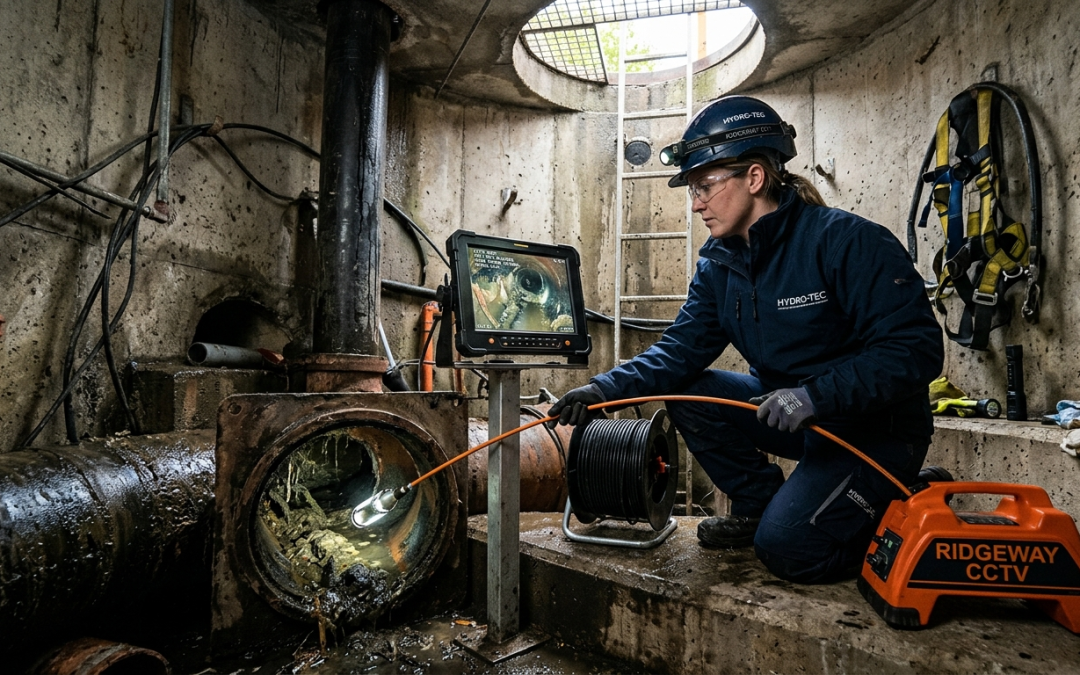
Professionals use specialized equipment such as CCTV drain inspection tools and high-pressure water jetting to identify and remove blockages safely and effectively.
Early intervention not only prevents further damage but also reduces long-term repair costs.
Conclusion
Sewer pipe blockage is a serious issue that should never be ignored. Early warning signs such as slow drainage, foul smells, gurgling pipes, and water backup indicate that the system is already under stress.
By understanding these signs and taking early action, property owners can prevent costly damage, protect their homes, and maintain a safe and hygienic environment.
Regular maintenance and timely professional inspection are the best ways to ensure a fully functional and long-lasting drainage system.
More Info
- https://drainprosewer.com.my/tips/
- https://drainprosewer.com.my/
- Sewer Maintenance Guidelines
https://www.epa.gov/npdes/municipal-wastewater
FAQs
1. What is the most common sign of sewer blockage?
Slow drainage and foul smells are usually the earliest warning signs.
2. Can sewer blockage fix itself?
No, it usually gets worse over time without proper cleaning or repair.
3. What causes sewer pipes to block?
Grease buildup, foreign objects, and tree roots are the main causes.
4. Is sewer blockage dangerous?
Yes, it can lead to flooding, bad odors, and health hazards.
5. When should I call a sewer professional?
When multiple drains are affected or water starts backing up.