
Why Drain Odors Should Never Be Ignored
Unpleasant drain odors are one of the most common plumbing complaints in residential and commercial properties. While some people assume the smell is only a temporary inconvenience, persistent drain odors may actually indicate deeper plumbing or sewer-related problems hidden within the drainage system.
In many cases, bad smells coming from sinks, bathrooms, kitchens, or floor traps are warning signs of blockages, pipe damage, trapped waste buildup, or sewer gas issues. Ignoring these early symptoms can eventually lead to more serious plumbing complications that affect hygiene, comfort, and property conditions.
Because drainage systems are mostly hidden behind walls, under floors, or underground, many property owners do not immediately realize that unpleasant smells may signal larger underlying problems.
This is why drain smell problems should never be ignored, especially when odors continue returning repeatedly over time.
What Causes Drain Smell Problems?
Drain odors usually happen when gases, bacteria, or waste buildup inside the plumbing system begin producing unpleasant smells.
Common causes include:
- trapped food waste
- grease accumulation
- sewer gas leaks
- stagnant water
- clogged pipes
- damaged drainage systems
- blocked vent pipes
Although some minor smells may disappear temporarily, recurring odors often suggest deeper drainage or sewer-related concerns.
Drain Odors May Indicate Hidden Blockages
One of the most common reasons for persistent drain smells is partial blockage inside the pipes.
Over time, waste materials such as:
- grease
- soap residue
- food particles
- hair buildup
- organic debris
can accumulate inside drainage systems.
As this buildup increases, bacteria and decomposing waste may begin producing strong unpleasant odors.
Because blockages often develop gradually, property owners may notice smells before major drainage failures occur.
Sewer Gas Smells Can Become Serious
In some situations, drain odors may involve sewer gases escaping through the plumbing system.
Sewer gas smells are usually described as:
- rotten egg odors
- strong sulfur smells
- unpleasant sewage-like odors
These smells may indicate:
- damaged pipes
- dry floor traps
- broken seals
- ventilation issues
- sewer line problems
Persistent sewer gas exposure can affect indoor comfort and create unhealthy living conditions if ignored for long periods.
Bathrooms and Kitchens Are Common Problem Areas
Drain smell problems frequently appear in:
- kitchen sinks
- bathroom drains
- floor traps
- laundry areas
- commercial wash areas
These areas regularly handle moisture, organic waste, and grease buildup, making them more vulnerable to odor development.
In kitchens, food waste and grease accumulation often contribute to unpleasant smells. Meanwhile, bathrooms may develop odors from trapped debris, moisture buildup, or poor drainage ventilation.
Drain Odors Can Affect Indoor Comfort
Even when drainage systems still function normally, persistent smells may negatively affect indoor environments.
Bad odors can:
- create discomfort
- reduce property cleanliness perception
- affect customer impressions
- disrupt workplace comfort
- lower living quality
For businesses such as restaurants, offices, or commercial buildings, unpleasant drain odors may also affect customer experience and professional image.
Hidden Pipe Damage May Cause Odors
Sometimes drain smells are caused by damaged or cracked pipes hidden underground or inside walls.
When pipes deteriorate, wastewater or sewer gases may leak into surrounding areas. These issues are often difficult to detect without professional inspection because the damage may not be visible externally.
Hidden pipe problems may eventually lead to:
- water leakage
- mold growth
- structural damage
- worsening drainage issues
This is why recurring odors should not be ignored even if water flow still appears normal.
Moisture and Bacteria Growth Increase Over Time
Drainage systems with poor flow or trapped waste create ideal conditions for bacteria growth.
Warm and damp environments allow bacteria to multiply, producing stronger odors over time.
If ignored, this may contribute to:
- poor indoor hygiene
- mold development
- unpleasant air quality
- worsening plumbing conditions
Long-term moisture issues may also affect walls, floors, and surrounding building materials.
Commercial Properties Face Greater Risks
Commercial buildings often rely heavily on proper drainage systems due to higher daily usage.
Businesses such as:
- restaurants
- cafes
- offices
- retail outlets
- factories
may experience serious operational problems if drainage odors become noticeable.
Strong smells can affect:
- customer comfort
- employee productivity
- hygiene standards
- business reputation
Because commercial drainage systems are usually more complex, professional maintenance becomes increasingly important.
Temporary Fixes May Not Solve the Real Problem
Some property owners attempt to mask drain odors using:
- air fresheners
- chemical cleaners
- temporary flushing methods
While these may reduce smells temporarily, they often do not address the actual source of the problem.
If hidden blockages, damaged pipes, or sewer issues remain untreated, odors may continue returning repeatedly.
Recurring smells usually indicate that deeper inspection may be necessary.
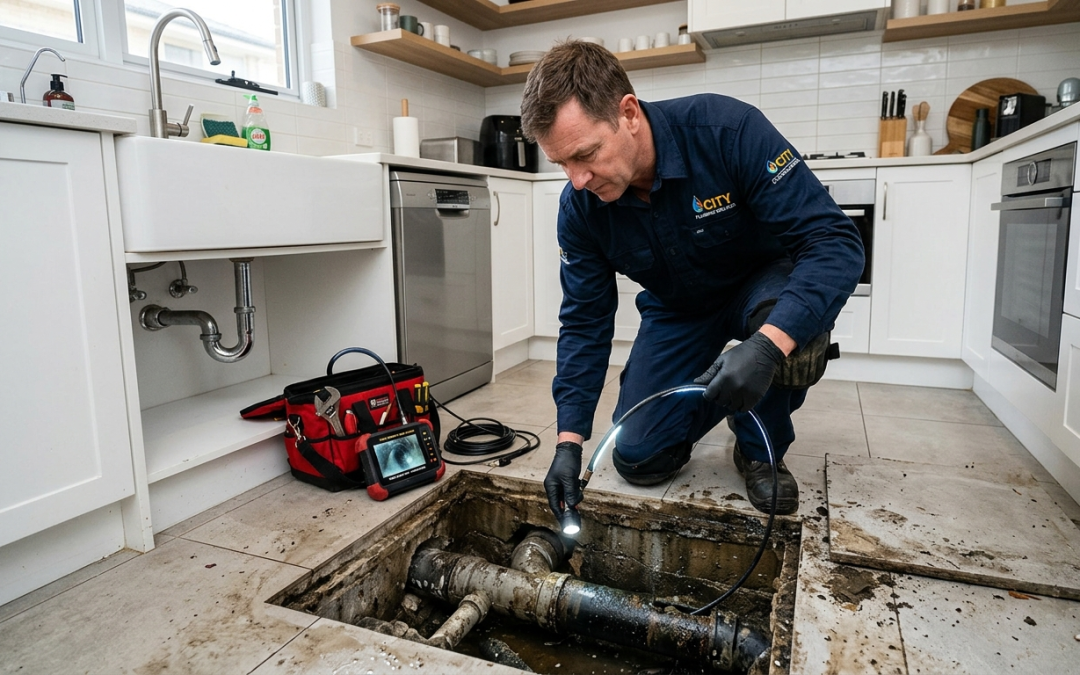
Why Professional Inspection Matters
Drain smell problems are sometimes more complex than they initially appear.
Professional drainage specialists can help identify:
- hidden blockages
- sewer line issues
- pipe deterioration
- ventilation problems
- trapped waste buildup
Using proper inspection methods allows underlying issues to be detected more accurately before larger plumbing damage occurs.
Professional evaluation is especially important when odors continue despite repeated cleaning efforts.
Preventive Maintenance Helps Reduce Risks
Regular drainage maintenance can help reduce the likelihood of serious odor problems.
Preventive care may involve:
- scheduled drain cleaning
- grease management
- pipe inspections
- sewer maintenance
- blockage prevention
Routine maintenance helps improve drainage performance and reduces the risk of recurring odor-related issues.
Why Drain Smells Should Be Taken Seriously
Many property owners underestimate drain odors because they initially seem minor. However, unpleasant smells often serve as early warning signs of hidden plumbing or sewer problems developing in the background.
Addressing problems earlier may help reduce:
- repair costs
- property damage risks
- hygiene concerns
- operational disruptions
Ignoring warning signs for too long may allow plumbing issues to worsen over time.
Conclusion
Drain smell problems should never be ignored because they may indicate hidden blockages, sewer gas leaks, pipe damage, or other underlying plumbing concerns. While odors may initially appear minor, persistent smells often signal deeper drainage system issues that can gradually worsen if left untreated.
Proper inspection and maintenance help protect indoor hygiene, property conditions, and overall drainage performance. For both residential and commercial properties, addressing drain odor problems early is important for maintaining a cleaner, safer, and more comfortable environment.
As drainage systems continue aging and usage increases, professional evaluation becomes increasingly important when recurring drain odors appear.
More Info
- https://drainprosewer.com.my/tips/
- https://drainprosewer.com.my/
- Sewer system information
https://www.epa.gov/septic
FAQs
1. What causes bad smells from drains?
Common causes include blockages, grease buildup, sewer gases, and trapped waste.
2. Can drain odors indicate sewer problems?
Yes. Persistent smells may signal sewer line or pipe-related issues.
3. Are drain smells dangerous?
Some odors may involve sewer gases or bacteria buildup that affect indoor comfort and hygiene.
4. Why do drain odors keep returning?
Recurring smells often indicate unresolved hidden plumbing problems.
5. Should professionals inspect recurring drain smell problems?
Yes. Professional inspection helps identify deeper drainage or sewer system issues accurately.