
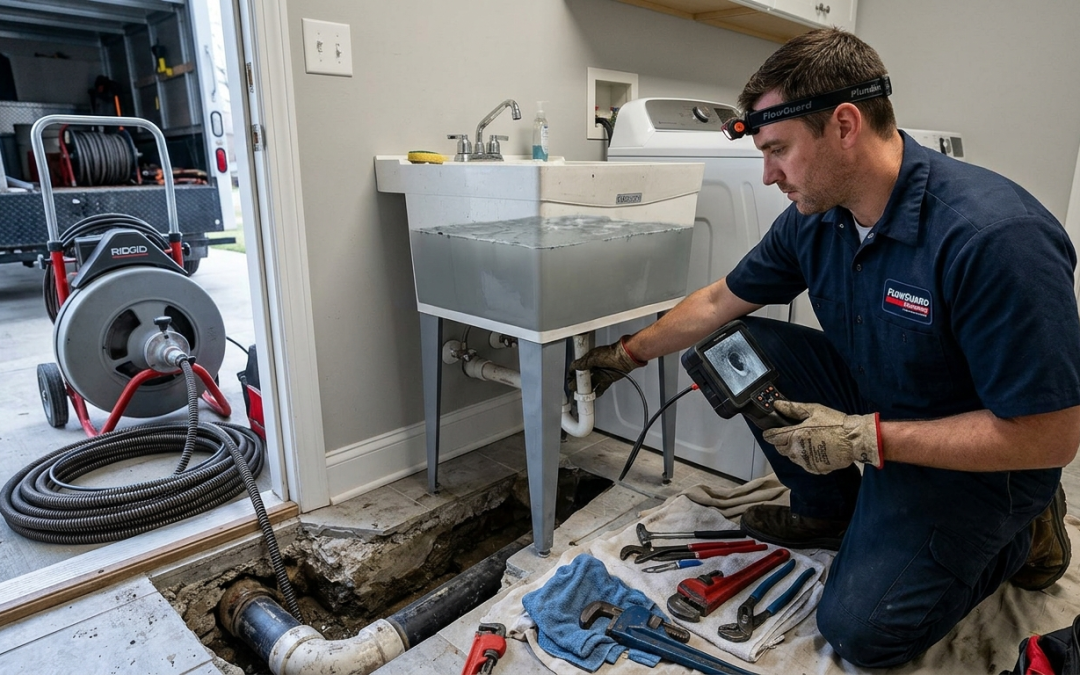
Why Your Drain Keeps Getting Blocked Again and Again
A blocked drain can be frustrating enough, but dealing with the same problem repeatedly can become a major inconvenience for homeowners. Many people assume that once a blockage is cleared, the issue is permanently resolved. However, when drains continue to clog again and again, it often indicates an underlying problem that has not been properly addressed.
Recurring drain blockages can affect sinks, showers, floor traps, toilets, and even main sewer lines. While temporary fixes may provide short-term relief, understanding the real cause of the blockage is essential for preventing future problems.
If your drain keeps getting blocked repeatedly, there may be hidden issues within the drainage system that require closer attention.
Grease and Food Waste Build Up Over Time
One of the most common reasons drains keep getting blocked is the gradual buildup of grease, oil, and food particles.
Many homeowners unknowingly pour cooking oil, grease, or food scraps down the kitchen sink. Although these materials may initially flow through the pipes, they can slowly stick to the inner pipe walls.
Over time, layers of grease collect additional debris and create a stubborn blockage that restricts water flow.
Even after a drain appears to be cleared, leftover grease deposits may remain inside the pipe, causing the blockage to return repeatedly.
Hair Accumulation in Bathroom Drains
Bathroom drains frequently experience recurring clogs due to hair buildup.
Hair can easily become trapped inside drain pipes, especially when combined with soap residue and personal care products. As more hair collects over time, the blockage becomes larger and more difficult to remove completely.
Many over-the-counter drain solutions only clear part of the obstruction, leaving remaining debris behind. This often leads to recurring drainage issues within a short period.
Regular maintenance and proper cleaning can help reduce hair-related blockages.
Foreign Objects Entering the Drain System
Drains are designed to carry wastewater, not solid objects.
Items such as:
- wet wipes
- tissue paper
- sanitary products
- cotton buds
- children’s toys
- excessive paper towels
can create significant blockages when flushed or washed into the drainage system.
Even products marketed as “flushable” may not break down as easily as expected and can contribute to recurring clogs.
When foreign objects remain trapped within the system, drainage problems often return despite repeated clearing attempts.
Tree Roots Invading Underground Pipes
Many homeowners are unaware that tree roots can cause serious drainage problems.
Tree roots naturally seek moisture and may enter underground sewer pipes through small cracks or damaged joints. Once inside, they continue growing and gradually obstruct wastewater flow.
Because roots remain active underground, blockages often return repeatedly until the root intrusion is properly addressed.
Professional inspection equipment can help identify root-related problems that are otherwise difficult to detect.
Damaged or Deteriorating Pipes
Older drainage systems may experience structural deterioration over time.
Common issues include:
- cracked pipes
- collapsed pipe sections
- corroded materials
- loose pipe joints
These defects can trap debris and restrict water flow, making the drainage system more susceptible to recurring blockages.
In some cases, clearing the blockage alone is not enough because the underlying pipe damage continues causing future problems.
A thorough inspection helps determine whether pipe repairs may be necessary.
Improper Drain Installation
Drainage systems rely on proper design and installation to function efficiently.
If pipes are installed with incorrect gradients, poor alignment, or inadequate support, wastewater may not flow properly through the system.
Slow-moving water allows debris to settle inside the pipes, increasing the likelihood of recurring clogs.
In these situations, repeated drain cleaning may only provide temporary relief while the design issue remains unresolved.
Hidden Sewer Line Problems
Sometimes the blockage is not located within the immediate drain itself.
Main sewer lines can develop problems that affect multiple drains throughout a property.
Warning signs may include:
- multiple blocked fixtures
- slow drainage in different areas
- unpleasant sewer odors
- water backing up unexpectedly
When the main sewer line is partially blocked, drainage issues can repeatedly occur throughout the home.
Identifying these hidden problems often requires professional inspection methods.
Why Temporary Fixes Often Fail
Many homeowners attempt to solve drain problems using plungers, chemical cleaners, or DIY methods.
While these solutions may remove part of the blockage, they often fail to address the root cause.
For example:
- grease buildup may remain inside the pipe
- tree roots continue growing
- damaged pipes remain unrepaired
- hidden obstructions go undetected
As a result, the blockage returns shortly after the initial cleaning.
Long-term solutions typically require identifying and addressing the source of the problem rather than treating only the symptoms.
The Importance of Professional Drain Inspection
Recurring drain blockages often require a more detailed assessment than a simple cleaning.
Professional inspections can help identify:
- hidden pipe damage
- root intrusion
- grease accumulation
- sewer line defects
- structural drainage issues
Modern CCTV drain inspection technology allows specialists to examine the inside of pipes without extensive excavation.
This provides a clearer understanding of what is causing the blockage and helps determine the most effective solution.
Preventing Future Drain Blockages
Preventive maintenance plays an important role in keeping drains functioning properly.
Homeowners can reduce the risk of recurring clogs by:
- avoiding disposal of grease and oil into sinks
- using drain strainers to catch debris
- disposing of waste properly
- scheduling periodic drain maintenance
- addressing slow drainage early
Small preventive measures can help avoid larger and more costly drainage problems later.
Preventive Maintenance Helps Reduce Risks
Regular drainage maintenance can help reduce the likelihood of serious odor problems.
Preventive care may involve:
- scheduled drain cleaning
- grease management
- pipe inspections
- sewer maintenance
- blockage prevention
Routine maintenance helps improve drainage performance and reduces the risk of recurring odor-related issues.
When to Seek Professional Help
If a drain continues to block repeatedly despite multiple cleaning attempts, it may be time to seek professional assistance.
Persistent drainage issues often indicate deeper problems that cannot be resolved through temporary solutions alone.
Professional drainage specialists have the equipment and expertise to identify hidden causes and recommend appropriate corrective measures.
Early intervention can help prevent more serious damage and reduce the risk of costly repairs.
Conclusion
Recurring drain blockages are often a sign that an underlying issue remains unresolved. Whether caused by grease buildup, hair accumulation, tree root intrusion, damaged pipes, or sewer line problems, repeated clogs should not be ignored.
While temporary solutions may provide short-term relief, identifying the root cause is essential for achieving long-term results. Understanding why your drain keeps getting blocked can help homeowners take proactive steps to protect their drainage systems and avoid ongoing frustration.
With proper maintenance, timely inspections, and professional support when needed, recurring drain problems can often be prevented before they develop into more serious issues.
FAQs
1. Why does my drain keep getting blocked even after cleaning?
A drain may continue blocking if the underlying cause has not been fully removed. Grease buildup, hair accumulation, tree roots, damaged pipes, or hidden sewer issues can remain inside the system even after a temporary blockage is cleared.
2. Can tree roots cause recurring drain blockages?
Yes. Tree roots can enter underground sewer pipes through small cracks and continue growing inside the drainage system. As the roots expand, they can repeatedly restrict water flow and cause ongoing blockages until the problem is professionally addressed.
3. Are chemical drain cleaners enough to solve recurring clogs?
Chemical drain cleaners may provide temporary relief but often do not eliminate the root cause of the blockage. In some cases, excessive use of chemical cleaners may also damage certain pipe materials over time.
4. How can I prevent my drain from getting blocked again?
Homeowners can reduce the risk of future blockages by avoiding grease disposal in sinks, using drain strainers, disposing of waste properly, and arranging regular drain maintenance when necessary.
5. When should I call a professional drainage specialist?
If the same drain keeps blocking repeatedly, drains are slow throughout the property, or unpleasant sewer odors are present, a professional inspection may help identify hidden issues and prevent more serious drainage problems.