
Your residential drain sewer system plays a vital role in keeping your home clean, safe, and functional. It quietly manages all the wastewater from sinks, toilets, and showers, sending it away from your house and into the main municipal sewer lines. Understanding how this system works helps you recognize early warning signs of blockages or damage. A well-maintained drain sewer system prevents foul odors, leaks, and costly repairs. Knowing the basic structure and function of your home’s drainage system ensures that you can act quickly when a problem arises.
1. The Basic Structure of a Residential Drain Sewer System
A residential drain sewer system is made up of several interconnected pipes that carry wastewater from inside your home to the main city sewer line. Each fixture — including your sinks, showers, and toilets — connects to a smaller drain line that joins a larger branch pipe under your home. These branch pipes then link to the main drain pipe, which exits your property and connects to the municipal sewer. Gravity is the main force that moves the waste downward through the system efficiently.
The system also includes vents that allow air to enter the plumbing lines, preventing pressure buildup and helping wastewater flow smoothly. Without proper venting, drains can become slow or noisy, and unpleasant odors can escape into your home. Understanding this structure helps you identify where problems might occur, such as clogs in branch lines or blockages in the main sewer pipe.
2. How the Drainage Process Works
Every time you flush a toilet or drain water from a sink, gravity carries the wastewater through a network of downward-angled pipes. The design of these pipes ensures continuous movement, reducing the risk of buildup or backflow. In most homes, the drain system has a “trap” — a U-shaped bend — that holds a small amount of water to block sewer gases from entering living areas.
Once the wastewater leaves your property’s main sewer line, it travels to a public sewer or a septic system for treatment. The smooth operation of this process depends on clear, unclogged pipes and properly functioning traps and vents. Even a minor blockage in one section can disrupt the flow and cause water to back up inside your home, which is why regular cleaning and inspection are so important.
3. Common Components of a Drain Sewer System
Your residential drain sewer system has several key parts that work together to manage wastewater safely. These components include:
-
Drain Pipes – Carry wastewater from each fixture to the main sewer line.
-
Traps (P-traps/U-traps) – Hold water to block sewer gases from escaping.
-
Vents – Allow air to circulate and maintain balanced pressure in the pipes.
-
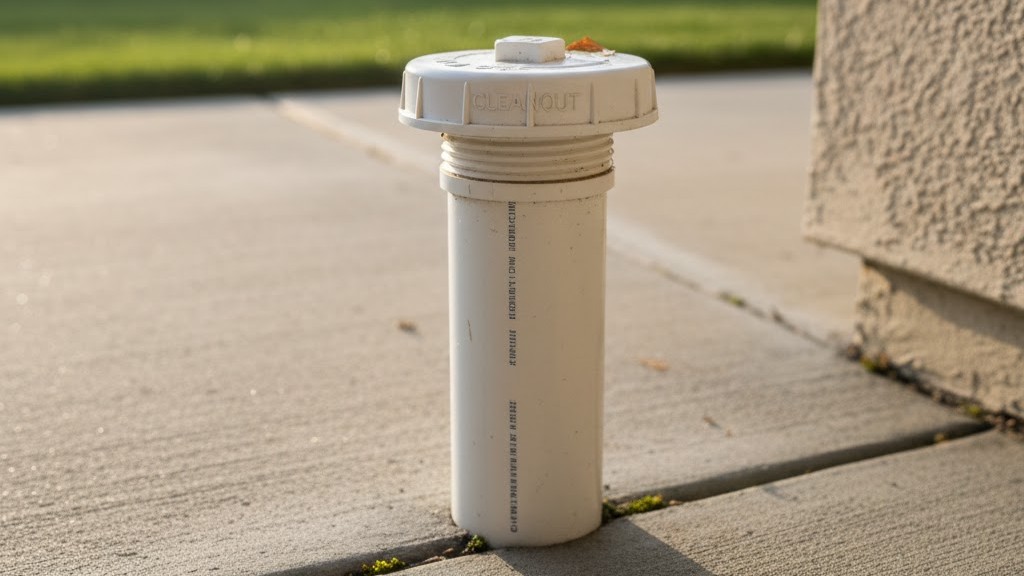
Cleanouts – Provide access points for plumbers to remove blockages.
-
Main Sewer Line – The large pipe that carries wastewater out of your property.
Each of these components must stay in good condition for your plumbing to work effectively. Damage or blockage in any part — especially the main sewer line — can lead to slow drainage, foul odors, or even flooding.
4. Common Problems in Residential Drain Sewer Systems
Even the best systems can develop issues over time due to wear, debris, or poor installation. The most frequent problems include grease buildup, hair clogs, root intrusion, and pipe corrosion. When these occur, you might notice slow drains, gurgling noises, or unpleasant smells coming from your sinks or toilets. Ignoring these warning signs can cause wastewater to back up into your home, leading to water damage and expensive repairs.
Regular maintenance helps prevent most of these issues before they become serious. Professional drain inspections can detect small blockages or cracks early. Using drain strainers, avoiding grease disposal in sinks, and scheduling annual sewer cleanings are effective ways to keep your system running smoothly. Preventive care is always cheaper than emergency repairs.
5. Importance of Professional Maintenance and Inspection
Hiring a professional for periodic drain sewer inspections ensures your system stays in top condition. Experts use specialized tools such as drain cameras to check for hidden blockages, leaks, or tree roots that may damage pipes underground. These inspections help homeowners take early action before small issues turn into large and costly problems.
Routine maintenance also includes hydro jet cleaning, which clears out accumulated debris using high-pressure water. This keeps your pipes clear and extends their lifespan. Investing in professional drain sewer services not only maintains hygiene but also prevents property damage caused by leaks or sewage backups.
Conclusion
A residential drain sewer system may be hidden from sight, but it plays a crucial role in protecting your home’s health and comfort. Understanding how it works helps you identify problems early and maintain a clean, efficient drainage flow. Regular inspections, proper maintenance, and responsible use of your plumbing can prevent unexpected breakdowns.
If you’re experiencing slow drainage, recurring clogs, or sewer odors, don’t wait until it gets worse ~ Contact us today for a thorough inspection and reliable drain sewer maintenance service.