
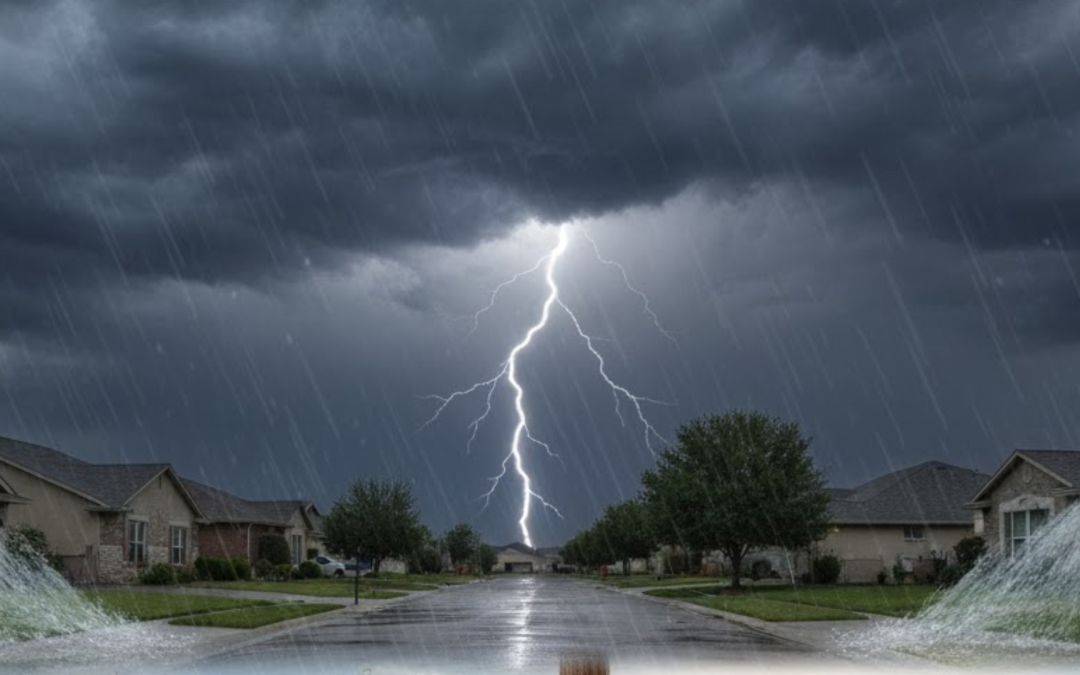
Weather has a bigger impact on your drain sewer system than most people realize. Whether it’s heavy rain, extreme heat, or freezing temperatures, each type of weather condition can affect how your drainage and sewer systems perform. Ignoring these effects can lead to blockages, leaks, or even structural damage to your pipes. Understanding how different weather conditions influence your drain sewer system can help you take preventive steps before major problems occur. Below are the key ways weather changes can impact your drainage system and what you can do to protect it.
1. Heavy Rain Causes Sewer Overflows
During periods of heavy rain, your drain sewer system can become overwhelmed with excess water. When the system is unable to handle the increased flow, it leads to flooding, backups, and even raw sewage overflow. This not only damages property but also poses serious health risks as contaminated water can spread bacteria and foul odors. The excess water pressure can also weaken pipes and joints, making them prone to leaks. Regular drain maintenance and timely cleaning can prevent these issues during rainy seasons.
To prepare for heavy rainfall, make sure your gutters, downpipes, and drains are free of debris such as leaves or dirt. Installing proper drainage systems like catch basins and backflow preventers can also reduce the risk of overflow. Homeowners should consider scheduling a professional drain inspection before monsoon or storm seasons begin. Proactive maintenance ensures your drain sewer system can handle sudden surges of rainwater without disruption. Prevention is always cheaper and safer than repair.
2. Extreme Heat and Droughts Can Dry Out Pipes
Hot and dry weather may seem harmless, but it can actually cause your drain sewer system to malfunction. During droughts, the lack of moisture in the soil can lead to ground shifting or cracking, which puts pressure on underground pipes. This movement can cause misalignment or leaks in your sewer lines. Additionally, dried-out drains can allow foul odors to rise into your home because the water barrier in drain traps evaporates. This creates unpleasant smells and makes your plumbing system vulnerable to pests.
To prevent these issues, pour water into infrequently used drains such as floor traps and guest bathroom sinks to keep the water seal intact. Installing a drain trap primer can also help maintain moisture levels automatically. If you live in an area that experiences prolonged heat, it’s essential to check your outdoor sewer connections and soil conditions regularly. Keeping your drains hydrated and inspecting them often during dry weather ensures smoother flow and better protection from structural damage.
3. Cold Weather Can Cause Frozen or Cracked Pipes
When temperatures drop, frozen pipes become one of the biggest threats to any drain sewer system. Water inside pipes expands as it freezes, putting extreme pressure on the pipe walls. This can cause cracks, leaks, or even burst pipes that result in costly repairs and water damage. Sewer lines that are partially filled with standing water are especially at risk. The situation worsens if pipes are poorly insulated or exposed to the cold.
To protect your sewer system from freezing temperatures, insulate all exposed pipes, especially those located outdoors or in basements. Running warm water through taps during cold nights can help keep water moving and prevent freezing. It’s also a good idea to seal any cracks or gaps in walls where cold air could reach your pipes. Regular winter maintenance can save you from serious plumbing emergencies and keep your drainage system operating smoothly throughout the season.
4. Seasonal Temperature Fluctuations Weaken Sewer Lines
Constant changes in temperature—such as hot days followed by cool nights—can weaken your drain sewer system over time. The expansion and contraction caused by these temperature shifts place stress on pipe materials, especially older metal or clay pipes. Over the years, this can lead to cracks, misalignments, or even collapses in underground sewer lines. These damages often go unnoticed until they cause visible problems like slow drains or bad odors.
Scheduling regular inspections using camera technology is the best way to detect early signs of temperature-related damage. Professional plumbers can identify weak spots and recommend timely repairs or replacements before the issue worsens. Additionally, upgrading to modern, flexible PVC pipes can help minimize damage caused by constant temperature changes. Paying attention to these details ensures your sewer system remains durable and efficient throughout the year.
5. Storms and Flooding Increase Blockage Risks
Strong storms often bring large amounts of debris, mud, and leaves that can quickly clog drain and sewer systems. When these materials enter the drainage network, they block water flow and cause backups in sinks, toilets, and outdoor drains. Flooding can also push sediments and waste into your pipes, resulting in contamination and foul smells. Over time, these blockages can strain your system and reduce its overall efficiency.
To prevent this, make sure to clean outdoor drains and gutters regularly, especially before and after major storms. Installing drain covers and leaf guards can help reduce the amount of debris entering your drainage system. In flood-prone areas, having a sump pump or backflow valve can protect your property from wastewater backups. Simple steps like these can prevent extensive damage and keep your drain sewer system in top working condition even during harsh weather.
Conclusion