
Underground Sewer Pipe Damage: Hidden Causes That Lead to Costly Repairs
Underground sewer pipe damage is one of the most serious issues property owners can face, yet it often goes unnoticed until major problems occur. Unlike visible plumbing issues, damage beneath the surface can develop slowly over time, eventually leading to blockages, leaks, or even structural damage to your property.
In Malaysia, where heavy rainfall and soil movement are common, underground sewer systems are constantly exposed to environmental stress. As a result, understanding the causes and warning signs of underground sewer pipe damage is essential for preventing costly repairs and maintaining a safe drainage system.
1. What Causes Underground Sewer Pipe Damage
Underground sewer pipe damage can occur due to several factors, many of which are not immediately visible. Over time, these issues weaken the pipe structure and disrupt normal wastewater flow.
One of the most common causes is soil movement. Changes in soil conditions due to rain, construction, or natural settling can shift pipes out of alignment. This creates cracks or disconnections that lead to leakage and blockage.
In addition, aging pipes are more vulnerable to damage. Older systems made from weaker materials may deteriorate over time, increasing the risk of failure.
2. Tree Root Intrusion in Sewer Pipes
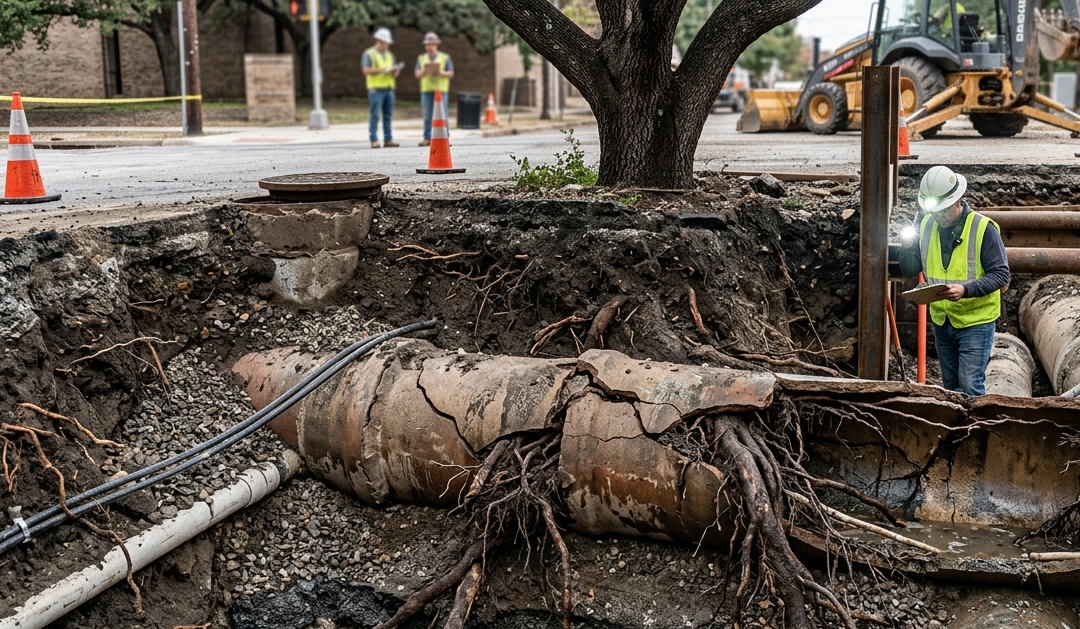
Tree roots are a major cause of underground sewer pipe damage. Roots naturally grow toward moisture, making sewer lines an attractive target.
As roots penetrate small cracks in pipes, they continue to grow and expand inside the system. This can lead to severe blockages and pipe breakage over time.
Without proper inspection, root intrusion can remain undetected until it causes significant damage. Therefore, regular monitoring is important for properties with nearby trees.
3. Effects of Heavy Rain and Flooding
Malaysia’s weather conditions play a significant role in sewer system performance. Heavy rain and flooding can put excessive pressure on underground pipes.
When the system becomes overloaded, weak points in the pipes may fail. This leads to leaks, collapses, or sewage backups.
Flooding can also wash debris into drainage systems, increasing the risk of blockage. Therefore, weather-related stress is a major contributor to underground sewer pipe damage.
4. Poor Installation and Low-Quality Materials
Improper installation is another common cause of sewer pipe issues. If pipes are not installed correctly, they may not be able to handle long-term usage and environmental stress.
Low-quality materials can also degrade faster, especially under harsh conditions. Over time, this leads to cracks, corrosion, and structural failure.
Choosing experienced professionals and high-quality materials is essential for preventing these problems.
5. Warning Signs of Underground Sewer Pipe Damage
Although underground issues are not visible, there are clear signs that indicate potential problems.
Common warning signs include:
- Slow drainage
- Unpleasant odors
- Frequent blockages
- Water pooling around the property
These signs should not be ignored, as they often indicate deeper issues within the sewer system.
6. Impact on Property and Health
Underground sewer pipe damage can have serious consequences if left untreated. Leaking sewage can contaminate soil and water, creating health risks for occupants.
In addition, structural damage may occur when water weakens the foundation of a building. This can lead to cracks, instability, and costly repairs.
Therefore, early detection is critical for protecting both property and health.
7. How CCTV Inspection Helps Detect Problems
Modern technology has made it easier to identify underground sewer issues. CCTV inspection allows professionals to examine pipes without excavation.
This method provides a clear view of the pipe condition, helping detect cracks, blockages, and root intrusion. It also reduces the need for unnecessary digging.
Using CCTV inspection ensures accurate diagnosis and efficient repair planning.
8. Preventive Measures to Avoid Damage
Preventing underground sewer pipe damage requires proactive maintenance and proper system care.
Property owners should schedule regular inspections and avoid disposing of harmful materials into drains. In addition, managing tree growth near sewer lines can reduce root intrusion risks.
Preventive measures help extend the lifespan of sewer systems and reduce long-term costs.
9. Importance of Professional Sewer Services
Handling underground sewer issues requires expertise and specialized equipment. Professional services ensure accurate diagnosis and effective solutions.
Experts use advanced tools such as water jetting and CCTV inspection to address problems efficiently. This minimizes disruption and ensures long-term results.
10. Long-Term Benefits of Proper Maintenance
Maintaining a healthy sewer system provides long-term benefits for property owners. It reduces the risk of emergency repairs, improves system efficiency, and protects property value.
Regular maintenance also ensures compliance with environmental standards and promotes a safe living environment.
Conclusion
Underground sewer pipe damage is a hidden but serious issue that can lead to costly repairs and health risks if ignored. Understanding its causes and warning signs allows property owners to take preventive action before problems escalate.
By investing in regular inspections, professional services, and proper maintenance, it is possible to protect your sewer system and avoid unexpected damage. In the long run, proactive care is always more cost-effective than reactive repairs.
More Info
Learn more about sewer services:
https://drainprosewer.com.my/services/
Explore professional solutions:
https://drainprosewer.com.my/
Reference:
https://www.water.gov.my/
FAQs
1. What causes underground sewer pipe damage?
Soil movement, tree roots, aging pipes, and poor installation.
2. How can I detect sewer pipe damage early?
Look for slow drainage, odors, and frequent blockages.
3. Is CCTV inspection necessary?
Yes, it helps detect hidden problems without digging.
4. Can tree roots damage sewer pipes?
Yes, they can enter pipes and cause blockages or cracks.
5. How often should sewer systems be inspected?
At least once a year or when problems occur.