
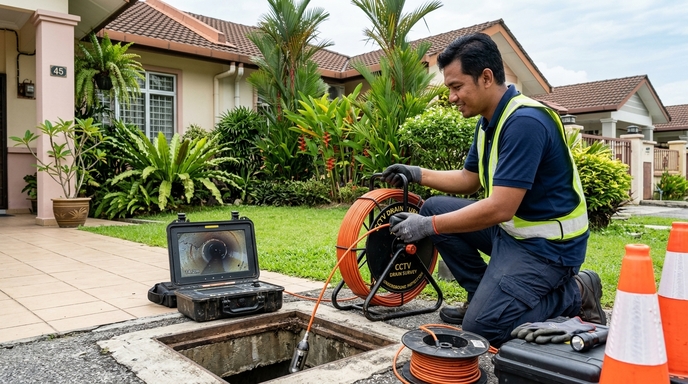
How CCTV Drain Inspections Help Identify Underground Pipe Collapse
Underground drainage systems are essential to every residential, commercial, and industrial property. They carry wastewater away from buildings, prevent water accumulation, and protect foundations from moisture damage. When drains function properly, property owners rarely think about them. However, when underground pipes collapse or become blocked, the consequences can be severe and expensive.
Many drainage problems develop silently beneath the surface. Cracked pipes, root intrusion, soil movement, and gradual structural deterioration may not show obvious warning signs until flooding occurs. By the time water backs up into a home or commercial building, the damage has often already been done. Floors may be ruined, foundations may be compromised, and the cost of emergency repairs can quickly escalate into thousands of dollars.
This is why professional CCTV drain inspections play a critical role in protecting properties and preventing costly water damage.
A CCTV drain inspection helps identify potential pipe failures before they become dangerous, allowing property owners to take preventive action through proper drain maintenance, repairs, or pipe replacement when necessary.
What Is a CCTV Drain Inspection?
A CCTV drain inspection is a professional evaluation of the internal condition of drainage pipes using specialized camera equipment. A small, high-resolution camera is inserted into the drainage system and travels through the pipes, transmitting live footage to a monitor that technicians can review in real time.
During the inspection, trained drainage specialists examine various factors, including:
-
Pipe condition
-
Joint integrity
-
Internal blockages
-
Signs of corrosion
-
Root intrusion
-
Pipe misalignment
-
Cracks or fractures
-
Surrounding soil conditions
The goal is to determine whether a drainage system presents any risk of collapse, blockage, or flooding to nearby buildings, landscapes, or infrastructure.
Unlike traditional drain inspection methods that rely on guesswork or digging, CCTV technology provides a clear, non-invasive view of what is happening beneath the ground. This allows specialists to pinpoint the exact location and nature of any problem without causing unnecessary damage to driveways, gardens, or landscaping.
Why CCTV Drain Inspections Are Important
Not every drain with slow drainage is blocked, and not every damaged pipe shows obvious symptoms. Some structural defects remain hidden until specialized equipment and experience are used to identify them.
In many cases, a pipe may be partially collapsed for months or even years before it causes a noticeable problem. Water may still flow, but the pipe is weakening with every passing day. When heavy rain or increased usage occurs, the pipe finally fails, leading to sudden and severe flooding.
Regular CCTV drain inspections help property owners:
-
Detect hidden pipe damage
-
Prevent unexpected flooding
-
Reduce repair costs
-
Protect building foundations
-
Improve drainage efficiency
-
Plan future maintenance
Early detection often prevents costly emergency situations. A small crack discovered during a routine inspection can be repaired quickly and affordably, while the same crack left untreated could lead to a full pipe collapse requiring extensive excavation and replacement.
Identifying Hidden Drain Hazards
Professional inspections can identify problems that are difficult to detect without proper training and equipment. Many drainage issues develop gradually and remain invisible from the surface.
Common hidden hazards include:
-
Internal pipe corrosion
-
Cracked or fractured pipes
-
Root intrusion
-
Joint displacement
-
Soil erosion around pipes
-
Blockages from debris or grease
-
Pipe misalignment
-
Storm-related ground movement
These issues may significantly weaken a drainage system even if water appears to flow normally. For example, tree roots can enter a pipe through tiny cracks and gradually expand, eventually causing the pipe to break apart. Similarly, soil erosion can leave pipes unsupported, leading to sagging and eventual collapse.
A CCTV drain inspection can detect these problems in their early stages, giving property owners the opportunity to address them before they escalate into major emergencies.
Protecting People and Property
Underground drainage systems serving homes, offices, schools, factories, or public spaces require regular monitoring. The larger the property and the more people it serves, the greater the potential impact of a drainage failure.
Without proper inspections, deteriorating drains may cause:
-
Surface flooding
-
Foundation damage
-
Soil erosion
-
Structural instability
-
Water damage to interiors
-
Health hazards from sewage exposure
-
Costly emergency repairs
Professional assessments help reduce these risks by recommending appropriate maintenance before accidents occur. In commercial settings, a drainage failure can also lead to business interruption, loss of revenue, and potential liability issues if customers or employees are affected.
For homeowners, preventing flooding is not just about protecting the building itself. It is also about safeguarding personal belongings, maintaining property value, and ensuring a safe living environment for family members.
Supporting Healthy Drainage Systems
CCTV drain inspections are not only about identifying dangerous pipes. They also help improve overall drainage performance and extend the life of the entire system.
Specialists may recommend:
-
High-pressure drain cleaning
-
Root removal
-
Pipe relining
-
Joint repairs
-
Sectional pipe replacement
-
Regular maintenance schedules
Well-maintained drains are generally stronger, safer, and more resistant to blockages and structural failure. By addressing minor issues early, property owners can avoid the need for major repairs down the track.
The Importance of Regular Drain Maintenance
Routine maintenance works together with inspections to improve long-term reliability. While an inspection identifies problems, maintenance prevents them from developing in the first place.
Services may include:
-
Drain cleaning
-
CCTV surveys
-
Grease trap maintenance
-
Root cutting
-
Pipe descaling
-
Flow testing
Regular maintenance reduces unnecessary stress on drainage systems and helps extend their lifespan. It also provides peace of mind, knowing that the system is functioning as it should and is less likely to fail when it is needed most.
Commercial Properties Benefit from Drain Inspections
Businesses often have drainage systems located near:
-
Office buildings
-
Car parks
-
Factories
-
Shopping centres
-
Hotels
-
Schools
Regular inspections help property managers reduce liability risks while maintaining a safe environment for employees and visitors. A flooded car park or blocked sewer line can disrupt operations, damage vehicles, and create health and safety hazards that require immediate attention.
Preventive inspections also minimize unexpected disruptions caused by emergency drainage failures. For businesses, avoiding downtime is just as important as avoiding repair costs.
When Should a CCTV Drain Inspection Be Performed?
Property owners should consider scheduling an inspection when:
-
Drains appear slow or blocked
-
Foul odours emerge from drains
-
Water pools in yards or driveways
-
Cracks appear in walls or foundations
-
Construction occurs nearby
-
Severe storms have passed
-
Trees grow close to drainage lines
Regular inspections are especially important for older properties with mature drainage systems located in high-traffic areas. As pipes age, they become more susceptible to cracks, corrosion, and collapse, making routine inspections even more valuable.
Why Professional Inspections Are Better Than DIY Checks
While homeowners can identify obvious problems, many underground defects require professional knowledge and experience. Pouring drain cleaner down a slow drain or using a basic plumbing snake may provide temporary relief, but it does not address the underlying cause.
Drainage specialists understand:
-
Pipe materials and behaviour
-
Structural stability
-
Blockage causes
-
Root intrusion patterns
-
Risk evaluation techniques
They also use specialized cameras and follow industry best practices to provide accurate recommendations. Professional inspections reduce guesswork and help property owners make informed decisions about repairs and maintenance.
Long-Term Benefits of CCTV Drain Inspections
Investing in regular drain inspections provides numerous long-term advantages.
Benefits include:
-
Improved property safety
-
Early hazard detection
-
Lower maintenance costs
-
Reduced emergency repairs
-
Healthier drainage systems
-
Longer pipe lifespan
-
Better property value
-
Greater peace of mind
Preventive care is often more cost-effective than responding to emergency situations after damage has occurred. A relatively small investment in routine inspections can save thousands of dollars in emergency repair bills and prevent the stress and disruption that comes with unexpected flooding.
Conclusion
Professional CCTV drain inspections are an essential part of responsible property maintenance. They help identify hidden hazards, improve drainage performance, and reduce the risk of flooding before it occurs.
Whether for residential homes, commercial buildings, factories, or public spaces, regular inspections provide valuable information that supports safer properties and healthier drainage systems. Combined with professional drain cleaning, maintenance, and pipe repair services when necessary, CCTV drain inspections help protect both people and property while preserving the long-term value of your investment.
FAQs
1. What is a CCTV drain inspection?
A CCTV drain inspection is a professional survey that uses a specialized camera to evaluate the internal condition of drainage pipes. During the inspection, specialists check for cracks, blockages, root intrusion, misalignment, and other structural issues to identify hazards and recommend appropriate repairs or maintenance.
2. How often should drains be inspected?
The inspection frequency depends on the age, location, and condition of the drainage system. Older properties, drains near trees, and systems that have experienced blockages or severe weather should be inspected regularly to identify potential hazards before they become serious problems.
3. Can a drain appear functional but still be damaged?
Yes. Some drainage systems may appear to flow normally while hiding internal cracks, root intrusion, or partial collapses. A professional CCTV drain inspection can detect these hidden issues and recommend the best course of action to prevent flooding or property damage.
4. When should I arrange a CCTV drain inspection?
You should consider scheduling an inspection if your drains are slow, emit foul odours, cause water pooling, or if your property has experienced storm damage or nearby construction. Regular inspections are also recommended as part of a preventive maintenance plan.
5. What happens after a CCTV drain inspection?
After completing the inspection, the drainage specialist will explain the condition of your pipes and recommend suitable solutions. Depending on the findings, this may include drain cleaning, root removal, pipe relining, sectional repairs, or full pipe replacement to improve property safety and preserve healthy drainage systems whenever possible.