
What You Need to Know Before Using Chemical Drain Cleaners
A clogged drain is one of the most frustrating household plumbing issues. Whether it is a slow-draining bathroom sink, a backed-up shower, or a stubborn blockage in the kitchen sink, your first instinct might be to reach for a bottle of liquid drain cleaner. Chemical drain cleaners are widely available at local supermarkets and hardware stores, promising quick, inexpensive, and effortless results without needing specialized tools or professional help.
However, while these off-the-shelf products seem like a quick fix, they carry significant hidden risks. Chemical drain cleaners rely on aggressive ingredients that can damage your plumbing pipes, pose health risks to your family, and create hazardous chemical reactions if misused.
Before pouring a bottle down your sink, it is important to understand how chemical drain cleaners work, the severe hazards associated with them, and when alternative drain clearing methods or professional plumbing services are the safer choice.
What Are Chemical Drain Cleaners?
A chemical drain cleaner is a specially formulated liquid, gel, or powder product designed to unblock drains by dissolving organic matter and buildup inside pipes.
During typical household use, chemical products target various materials, including:
- Hair and soap scum
- Grease and cooking fats
- Food particles
- Paper products
- Organic sludge
The main goal of liquid drain openers is to clear minor obstructions quickly to restore natural water flow without manually dismantling pipes.
How Chemical Drain Cleaners Work
To understand why chemical drain cleaners can be dangerous, it helps to understand how they clear blockages. Most commercial formulations fall into three main categories:
Caustic Drain Cleaners
These usually contain sodium hydroxide (lye) or potassium hydroxide. Heavier than water, they sink straight to the blockage and convert grease and fats into a soap-like substance through saponification
Oxidizing Drain Cleaners
Containing household bleach (sodium hypochlorite), peroxides, or nitrates, these cleaners cause organic waste to oxidize, break down, and wash away easily.
Acidic Drain Cleaners
Typically used by professionals or sold as heavy-duty cleaners, these contain high concentrations of sulfuric acid or hydrochloric acid. They melt organic waste, paper, and grease almost instantly by generating intense heat.
While these powerful formulas dissolve tough clogs, the very chemical processes that destroy organic blockages can also destroy your plumbing infrastructure.
Why Understanding Drain Cleaner Risks Is Important
Not every clogged drain requires chemical intervention, and not every drain cleaner is safe for every plumbing system. Severe pipe damage often remains hidden inside walls or beneath floors until leakages develop.
Understanding the risks helps property owners:
- Prevent unexpected pipe corrosion
- Avoid toxic fume exposure
- Protect fixtures and plumbing joints
- Prevent costly emergency plumbing repairs
- Maintain a safer living environment
Awareness allows homeowners to make informed decisions before creating bigger plumbing issues.
Identifying Hidden Drain Cleaning Hazards
Chemical drain cleaners pose several dangers that are not always immediately obvious on the product label.
Common hidden hazards include:
- Chemical heat build-up that deforms PVC pipes
- Softening of pipe glue and joint sealants
- Rapid corrosion in older metal pipes
- Toxic chemical fumes lingering in enclosed bathrooms
- Dangerous splash-backs during manual clearing attempts
- Environmental contamination in wastewater systems
These underlying factors can significantly weaken your plumbing system over time.
Protecting Your Household and Plumbing System
Chemical drain openers used near sinks, tubs, and showers require extreme caution. Misusing these chemicals can cause:
- Cracked or melted PVC plastic pipes
- Severe chemical burns to eyes and skin
- Respiratory irritation from toxic fumes
- Corrosion on stainless steel, porcelain, and chrome finishes
- Poisonous gas generation if mixed with other cleaners
Using safer alternative methods helps reduce these risks significantly.
Supporting Long-Term Plumbing Health
Safe drain cleaning practices are not just about clearing an immediate blockage; they protect the lifespan of your home’s plumbing system.
Plumbers often recommend safer routines such as:
- Using mechanical drain snakes or augers
- Installing drain strainers to catch hair and debris
- Rinsing drains periodically with hot water
- Applying natural baking soda and vinegar treatments
- Utilizing bio-enzymatic drain cleaners
Safer methods maintain pipe integrity while reducing the risk of recurring clogs.
The Importance of Safe Drain Alternatives
Pairing safe daily habits with non-chemical solutions offers reliable, long-term results.
Effective alternatives include:
- Uses water pressure to dislodge blockages safely.
- Utilizes natural enzymes to digest organic matter gently without heat or corrosion.
- Physically removes hair and physical debris without chemical exposure.
- Helps melt minor grease buildup naturally.
These methods eliminate blockages safely without threatening your plumbing pipes.
Why Severe Clogs Increase Plumbing Risks
When a chemical drain cleaner fails to clear a blockage, the caustic liquid remains trapped inside your pipes.
Standing chemical liquid causes:
- Prolonged exposure that eats through pipe walls
- Heightened danger for plumbers who must service the line later
- Heat build-up that damages surrounding fixtures
- Corrosive damage to septic tanks and municipal connections
Promptly addressing severe blockages with proper mechanical tools prevents complete pipe failure.
Commercial and Rental Properties Benefit from Safe Drain Care
Commercial settings—such as restaurants, hotels, and apartment complexes—frequently face severe drain blockages.
Proper drain care helps property managers:
- Avoid chemical damage to shared main sewer lines
- Prevent toxic exposure to tenants and customers
- Reduce emergency plumbing callout fees
- Comply with local environmental wastewater regulations
Implementing professional maintenance routines ensures smooth operations without risking structural plumbing damage.
When Should You Avoid Chemical Drain Cleaners?
Property owners should completely avoid using chemical drain openers when:
- Drains are entirely blocked and standing full of water
- Plumbing consists of older, corroded metal or thin plastic pipes
- You have a septic tank system
- Another chemical cleaner or bleach was recently poured down the drain
- Clogs are caused by foreign objects, tree roots, or heavy mineral deposits
In these scenarios, chemical cleaners will prove ineffective and likely cause additional harm.
Why Professional Plumbing Services Are Better Than Chemical DIY Fixes
While DIY chemical drain clearing seems convenient, persistent or severe plumbing issues require professional expertise.
Licensed plumbers offer:
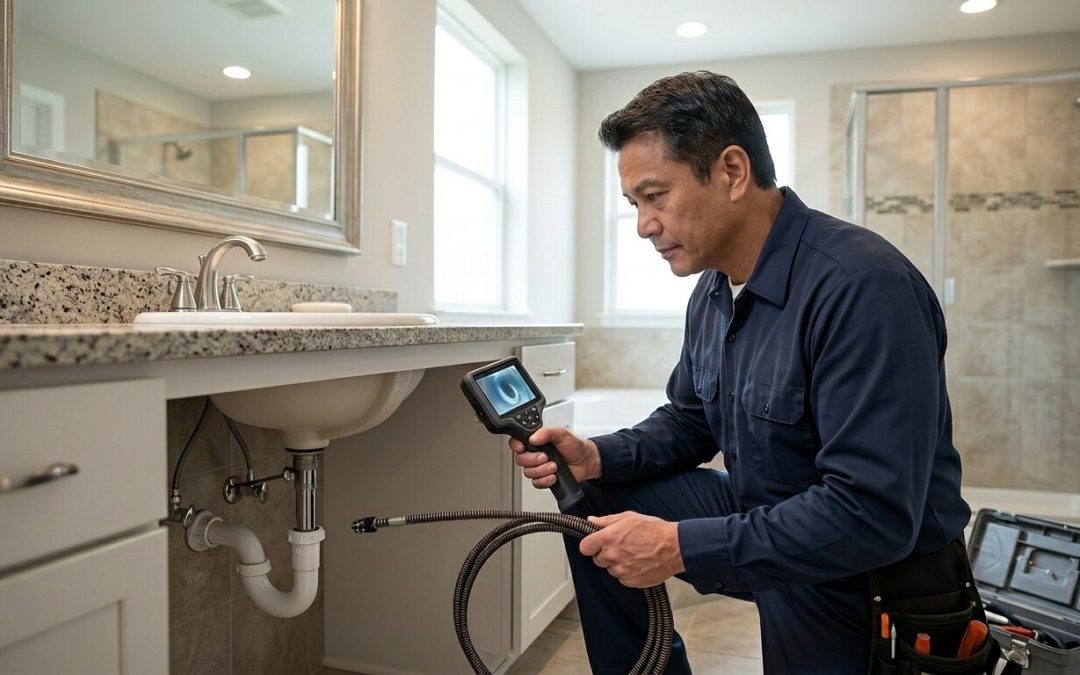
- Accurate video camera pipe inspections
- Safe, high-pressure hydro-jetting services
- Professional mechanical augers and drain snakes
- Safe removal of non-organic blockages and tree roots
- Complete pipe repair and replacement solutions
Professional plumbing services eliminate guesswork, protect your infrastructure, and offer lasting solutions.
Long-Term Benefits of Safe Drain Maintenance
Investing time in safe drain clearing methods provides significant long-term advantages.
Benefits include:
☑ Improved household safety
☑ Protection against severe pipe damage
☑ Lower emergency repair costs
☑ Longer plumbing system lifespan
☑ Environmentally friendly wastewater disposal
☑ Protection against dangerous chemical burns and toxic fumes
☑ Greater peace of mind
Preventive mechanical care is far more cost-effective than replacing corroded, burst, or melted plumbing pipes.
Choosing a Professional Plumbing Company
When hiring a plumbing service provider, look for companies that offer:
- Fully licensed and insured plumbers
- Advanced drain inspection technology
- Safe hydro-jetting and mechanical clearing options
- 24/7 emergency repair services
- Transparent pricing and clear estimates
- Safety-focused work practices
Working with experienced plumbing professionals guarantees your home’s drainage system remains safe and fully functional.
Conclusion
Chemical drain cleaners offer a convenient promise, but the potential hazards to your pipes, health, and home far outweigh the temporary convenience. Corrosive chemicals, toxic fumes, and intense heat can transform a simple clog into an expensive plumbing emergency.
Whether for residential homes, commercial properties, or industrial facilities, adopting mechanical drain clearing tools or bio-enzymatic alternatives ensures a safer, longer-lasting fix. When DIY methods fall short, relying on professional plumbing services protects both your property’s value and your family’s safety.
FAQs
1. What are chemical drain cleaners?
Chemical drain cleaners are heavy-duty chemical liquids, powders, or gels designed to dissolve organic blockages such as hair, grease, soap scum, and food particles inside plumbing drains.
2. Can chemical drain cleaners ruin my pipes?
Yes. The chemical reaction generated by caustic or acidic drain cleaners produces extreme heat that can warp, melt, or soften PVC pipes. In metal pipes, these chemicals accelerate corrosion, leading to thin walls and pinhole leaks.
3. Are enzymatic drain cleaners safer than chemical ones?
Yes, enzymatic drain cleaners use natural bacteria and enzymes to break down organic waste. They do not generate intense heat or corrosive chemical reactions, making them completely safe for all pipe materials, septic systems, and the environment.
4. What should I do if a chemical drain cleaner fails to clear a clog?
If the cleaner fails to clear the clog, do not pour additional chemical products down the drain, as mixing chemicals can produce deadly gases. Instead, contact a professional plumber and inform them that chemical cleaners are sitting in the blocked line.
5. How can I unclog a drain safely without chemical cleaners?
You can safely unclog drains using a cup plunger, a hand-crank drain snake, baking soda followed by hot vinegar, or a natural bio-enzymatic cleaner. For severe or recurring clogs, calling a professional plumber is always the safest option.