
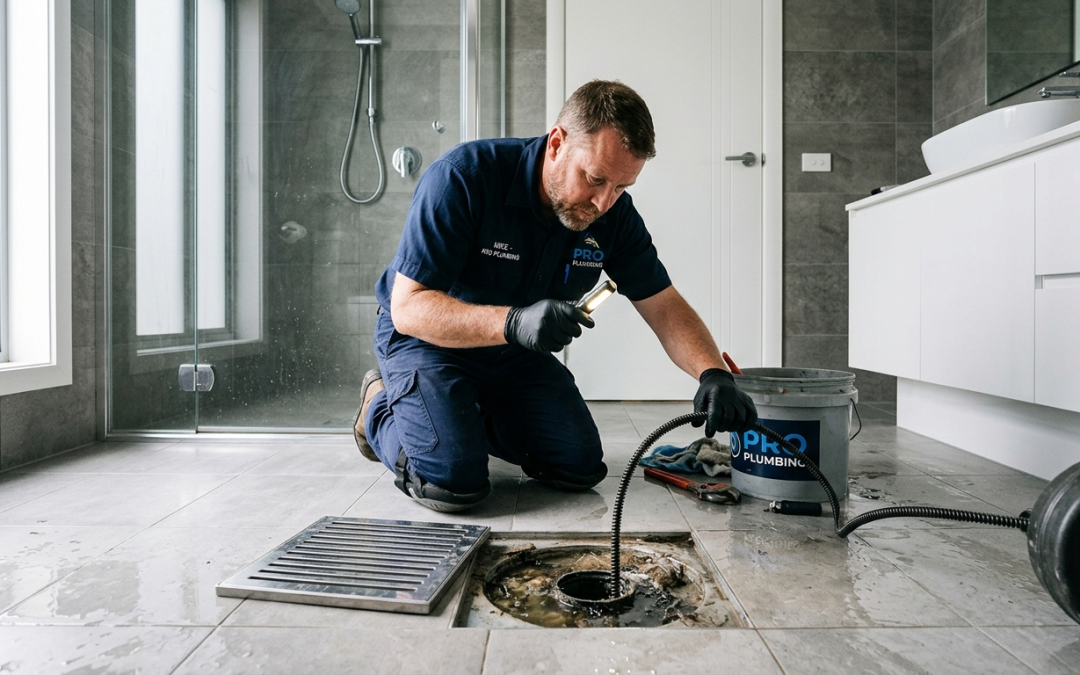
Water Backflow Issues at Home: Understanding Floor Trap Problems
Water backflow is a common drainage issue that many homeowners experience, especially in bathrooms, kitchens, and laundry areas. One of the key components responsible for proper drainage is the floor trap, which plays an important role in controlling water flow and preventing unpleasant odors from entering indoor spaces. When a floor trap does not function properly, it can lead to slow drainage, water accumulation, or even backflow problems. Understanding how floor traps work and what causes these issues can help property owners take early action and maintain a healthy drainage system.
What Is a Floor Trap and How It Works
A floor trap is a plumbing component installed in floors to collect wastewater and direct it into the drainage system. It is commonly found in bathrooms, kitchens, and outdoor areas where water discharge occurs. The trap is designed with a curved section that holds a small amount of water, acting as a seal to prevent sewer gases from entering the building. When working properly, the floor trap allows water to flow smoothly while maintaining hygiene and safety within the property.
Common Causes of Floor Trap Problems
Several factors can lead to floor trap issues. One of the most common causes is the buildup of debris such as hair, grease, soap residue, and dirt, which can block water flow. Over time, these materials accumulate inside the trap and restrict drainage. Poor installation or incorrect trap design can also contribute to recurring problems. In some cases, damaged or aging plumbing systems may reduce the effectiveness of the floor trap, leading to frequent backflow or slow drainage.
Signs of Water Backflow and Drainage Issues
Recognizing early signs of floor trap problems is important for preventing more serious issues. Common indicators include slow-draining water, unpleasant odors coming from drains, gurgling sounds, and water backing up onto the floor. In severe cases, wastewater may return through the floor trap, creating hygiene and safety concerns. These signs should not be ignored, as they often indicate underlying drainage system problems that require attention.
How Floor Trap Issues Affect Your Home
Floor trap problems can have a significant impact on both comfort and safety. Water backflow can cause wet floors, leading to slip hazards and potential damage to flooring materials. Persistent moisture may also encourage mold growth and unpleasant odors. In addition, poor drainage can affect the overall plumbing system, increasing the risk of larger blockages or pipe damage. Addressing floor trap issues early helps prevent these complications.
Preventing Floor Trap Problems
Proper maintenance is key to preventing floor trap issues. Regular cleaning helps remove debris and maintain smooth water flow. Avoid disposing of grease, food waste, or solid materials into drains, as these can quickly cause blockages. Installing proper drain covers can also reduce the amount of debris entering the system. For long-term reliability, professional inspection and cleaning services can help ensure the drainage system remains in good condition.
Conclusion
Floor traps play a vital role in maintaining an effective drainage system and preventing water backflow in homes. When problems occur, they can lead to discomfort, hygiene issues, and potential damage to the property. By understanding how floor traps work, recognizing early warning signs, and maintaining the system properly, homeowners can avoid costly repairs and ensure smooth drainage. Taking proactive steps helps create a safer and more comfortable living environment.
More Info
Learn more about drainage services:
https://drainprosewer.com.my/
Explore more tips:
https://drainprosewer.com.my/tips/
Reference:
https://www.water.gov.my/
FAQs
1. What is a floor trap used for?
It collects wastewater and prevents sewer gases from entering the building.
2. Why does water backflow happen in floor traps?
Usually due to blockages or drainage system issues.
3. How can I prevent floor trap blockage?
Regular cleaning and avoiding debris buildup.
4. Is floor trap maintenance important?
Yes, it helps prevent drainage problems and odors.
5. When should I call a professional?
When you notice persistent backflow or slow drainage.