
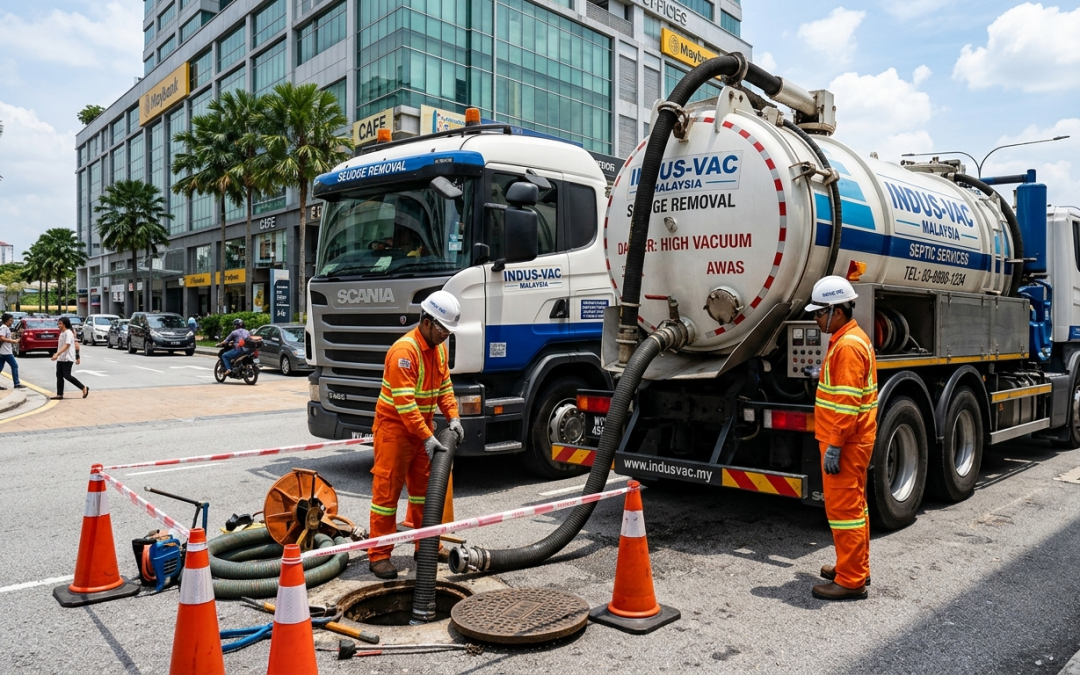
Signs Your Sewerage System Needs Professional Desludging Service
A properly maintained sewerage system is essential for keeping residential, commercial, and industrial properties clean and safe. Over time, sludge, waste, grease, and other materials accumulate inside sewer tanks and pipelines. Without regular maintenance, these buildups can lead to serious drainage problems, foul odors, overflow issues, and costly repairs.
Professional sewerage desludging services help remove accumulated waste and ensure the sewer system continues functioning efficiently. Many property owners ignore early warning signs until severe blockage or overflow occurs. Understanding the signs of sewerage problems can help prevent major damage and maintain proper sanitation.
What Is Sewerage Desludging?
Sewerage desludging is the process of removing sludge, waste materials, grease, and sediment buildup from sewer tanks, septic systems, and underground wastewater storage areas.
Professional desludging services typically involve:
- Waste removal using vacuum tankers
- Sewer tank cleaning
- Wastewater disposal
- Sewer pipeline maintenance
- Inspection of sewerage systems
Regular desludging helps maintain smooth wastewater flow and reduces the risk of blockage or system failure.
Common Signs Your Sewerage System Needs Desludging
1. Slow Drainage Throughout the Property
One of the most common warning signs is slow drainage from sinks, toilets, and floor traps. When wastewater flows slowly, it may indicate sludge buildup inside the sewerage system.
Ignoring slow drainage can eventually lead to severe blockage and overflow problems.
2. Bad Smells Around the Property
Foul sewer odors near drains, toilets, or outdoor sewer tanks often indicate excessive waste accumulation.
Common causes include:
- Sludge buildup
- Blocked sewer lines
- Poor wastewater flow
- Overflow inside sewer tanks
Professional desludging helps remove trapped waste causing unpleasant smells.
3. Frequent Toilet or Drain Backups
If toilets frequently overflow or wastewater backs up into drains, the sewerage system may already be overloaded with sludge and debris.
Repeated backups are a strong sign that immediate professional cleaning is needed to avoid property damage and hygiene issues.
4. Overflowing Sewer Tanks
Overflowing sewer tanks are a serious warning sign. When tanks become too full, waste may spill into surrounding areas, creating dangerous sanitation conditions.
Overflow issues can:
- Damage property
- Create strong odors
- Attract pests and insects
- Increase health risks
Routine desludging helps prevent emergency overflow situations.
5. Gurgling Sounds from Pipes
Strange gurgling sounds coming from toilets or drainage pipes may indicate trapped air caused by blockage or restricted wastewater flow.
These sounds often appear before serious drainage problems develop.
6. Increased Pest Problems
Poorly maintained sewerage systems can attract:
- Cockroaches
- Flies
- Mosquitoes
- Rats and rodents
Waste accumulation and stagnant wastewater create ideal breeding conditions for pests.
7. Water Pooling Near Sewer Areas
Water accumulation or wet ground near sewer tanks or underground pipelines may indicate leakage, overflow, or blocked wastewater flow.
This issue should be inspected quickly to prevent structural and environmental damage.
Why Regular Sewerage Desludging Is Important
Prevents Major Blockages
Routine desludging removes accumulated sludge before severe blockage occurs.
Improves System Efficiency
Clean sewer systems allow wastewater to flow smoothly and reduce pressure on pipelines.
Reduces Bad Odors
Removing waste buildup helps eliminate unpleasant smells around the property.
Prevents Expensive Repairs
Early maintenance is much cheaper than repairing damaged sewer systems or overflow-related property damage.
Supports Hygiene and Safety
Proper sewerage maintenance helps maintain cleaner and safer living environments.
When Should You Schedule Desludging Services?
The frequency of desludging depends on:
- Property size
- Number of occupants
- Wastewater usage
- Tank capacity
- Commercial or industrial usage
Properties with high wastewater usage may require more frequent maintenance.
Professional inspections can help determine the appropriate desludging schedule.
Why Hire Professional Desludging Services?
Professional sewerage contractors use specialized equipment and trained personnel to safely handle waste removal and system cleaning.
Benefits include:
- Safe waste handling
- Efficient cleaning equipment
- Proper wastewater disposal
- Faster service
- Reduced environmental risks
DIY cleaning is not recommended due to safety, hygiene, and technical concerns.
Conclusion
Sewerage systems require regular maintenance to operate safely and efficiently. Ignoring warning signs such as slow drainage, foul odors, backups, or overflow can lead to serious sanitation and property problems.
Professional sewerage desludging services help remove accumulated waste, improve system performance, and prevent costly repairs. Early maintenance not only protects your property but also supports a cleaner and healthier environment.
Property owners should schedule regular inspections and desludging services to keep sewer systems functioning properly for the long term.
More Info
- Home Page
https://drainprosewer.com.my/ - Tips & Articles
https://drainprosewer.com.my/tips/ - Challenges in Sewer System Maintenance — Information about preventive sewer maintenance and drainage system care.
FAQs
1. What is sewerage desludging?
Sewerage desludging is the removal of sludge, waste, and buildup from sewer tanks and wastewater systems.
2. How often should sewer tanks be desludged?
The frequency depends on usage, tank size, and property type. Regular inspections help determine the correct schedule.
3. What are common signs of sewerage problems?
Slow drainage, foul odors, overflow, backups, and gurgling sounds are common warning signs.
4. Can sewerage problems damage property?
Yes. Overflow and blockage can cause water damage, hygiene risks, and expensive repairs.
5. Why should I hire professional desludging services?
Professionals use proper equipment and safe cleaning methods to efficiently maintain sewer systems.