
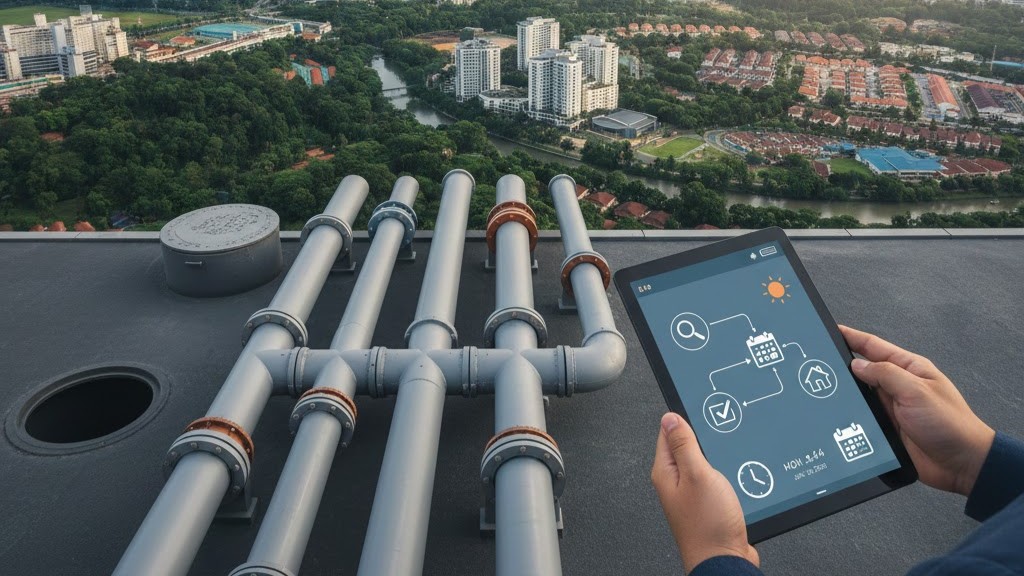
Klang Valley properties face high wastewater usage, aging infrastructure, and dense development, making sewerage issues more common than many owners realize. Most sewer failures don’t start with floods — they begin silently with cracks, grease buildup, root intrusion, or partial blockages.
A professional sewerage system inspection allows problems to be detected before they turn into emergencies. Whether you manage a commercial building, factory, restaurant, or residential property, regular inspection protects you from unexpected shutdowns, health risks, and expensive repairs.
This guide explains exactly how to book a sewerage system inspection in Klang Valley, step by step, so you can act before damage happens.
Identify the Early Warning Signs That You Need an Inspection
The first step before booking an inspection is recognizing the warning signs. Many property owners wait until sewage overflows — which is already too late.
Common warning signs include:
-
Slow-draining sinks or floor traps
-
Foul odors coming from drains
-
Gurgling sounds in pipes
-
Repeated minor blockages
-
Unexplained water pooling
These symptoms indicate hidden issues inside sewer lines, such as grease buildup, cracked pipes, or partial obstructions. An inspection allows technicians to assess the internal condition of pipes without excavation.
Why this step matters: Booking an inspection early prevents emergency repairs that cost significantly more and disrupt daily operations.
Decide the Type of Sewerage System Inspection You Need
Not all inspections are the same. Understanding the type of inspection required helps you book the right service, not just the cheapest one.
Common inspection types:
-
CCTV sewer inspection (camera-based internal inspection)
-
Visual inspection for surface-level issues
-
Inspection before property purchase
-
Inspection after repeated blockages
CCTV inspections are the most accurate, allowing technicians to:
-
See cracks, roots, and misalignments
-
Identify grease and sludge buildup
-
Record footage for reports
Choosing the wrong inspection type may result in incomplete findings, leading to unresolved problems.
Search for Sewerage Inspection Providers in Klang Valley
Once you know what you need, search for specialized sewerage inspection providers in Klang Valley. Not all plumbing companies offer professional inspection services.
Look for providers that:
-
Serve Klang Valley areas (KL, PJ, Shah Alam, Subang, Klang)
-
Offer CCTV sewer inspection
-
Handle commercial and residential systems
-
Have emergency support if issues are discovered
Avoid choosing based solely on price. Experience, equipment, and response time matter far more when dealing with sewer systems.
Verify Licensing, Experience, and Equipment
Before booking, always verify the provider’s credentials. Sewerage inspection requires technical expertise and specialized tools.
Ask these questions:
-
How long have you handled sewer inspections?
-
Do you use CCTV inspection cameras?
-
Can you inspect commercial-scale systems?
-
Do you provide reports and recordings?
Experienced providers reduce the risk of misdiagnosis. Poor inspections often miss internal damage, leading to repeat issues later.
This step protects you from unreliable service and wasted costs.
Request a Clear Inspection Scope and Quotation
A professional sewerage inspection provider will clearly explain:
-
What areas will be inspected
-
Inspection duration
-
Tools used
-
Reporting format
-
Total cost
Avoid vague quotations like “general inspection.” Instead, request a written scope that specifies:
-
Length of pipes inspected
-
Number of access points
-
Whether recording is included
Transparent pricing prevents surprise charges and ensures you receive a complete inspection, not a rushed one.
Choose the Right Time to Minimize Disruption
Timing is crucial, especially for commercial properties. Sewer inspections may require:
-
Temporary access shutdowns
-
Water usage restrictions
-
Entry into service areas
Book inspections during:
-
Off-peak business hours
-
Scheduled maintenance periods
-
Low-occupancy times
Proper scheduling ensures inspection is thorough without affecting daily operations. Professional providers help plan inspections with minimal disruption.
Confirm Inspection Method and Reporting Format
Before finalizing your booking, confirm:
-
Whether CCTV footage will be recorded
-
If photos and videos are included
-
Whether a written report will be provided
A proper inspection report should include:
-
Identified issues
-
Severity level
-
Recommended actions
-
Preventive maintenance advice
Reports are essential for:
-
Property management records
-
Compliance audits
-
Repair planning
Without proper documentation, inspection value is lost.
Prepare the Site for Inspection Day
Preparation ensures inspections are completed smoothly and efficiently.
Preparation steps include:
-
Clearing access points
-
Informing tenants or staff
-
Ensuring drain access is not blocked
-
Allowing technicians safe entry
A prepared site reduces inspection time and prevents delays. It also ensures the inspection is accurate and uninterrupted.
Review Findings and Act Immediately
After inspection, review the findings carefully. Delaying action after inspection defeats its purpose.
Common findings may include:
-
Early-stage cracks
-
Grease accumulation
-
Root intrusion
-
Pipe misalignment
Even minor issues should be addressed early to avoid escalation. Professional providers often offer repair or cleaning recommendations based on inspection results.
Ignoring inspection findings often leads to emergencies within months.
Schedule Preventive Maintenance After Inspection
Inspection is not the final step — it is the starting point of prevention.
After inspection:
-
Schedule drain cleaning if needed
-
Plan periodic inspections
-
Implement preventive maintenance
This proactive approach extends sewer lifespan, reduces breakdowns, and saves money long-term. Many Klang Valley property owners only inspect after failures — a costly mistake.
❓ Frequently Asked Questions (FAQs)
Q1: How long does a sewerage system inspection take?
Typically 1–3 hours, depending on system size.
Q2: Is CCTV sewer inspection safe for old pipes?
Yes, it is non-invasive and safe.
Q3: How often should inspections be done?
Commercial buildings: annually. Residential: every 2–3 years.
Q4: Can inspection prevent sewer backups?
Yes, early detection prevents major failures.