
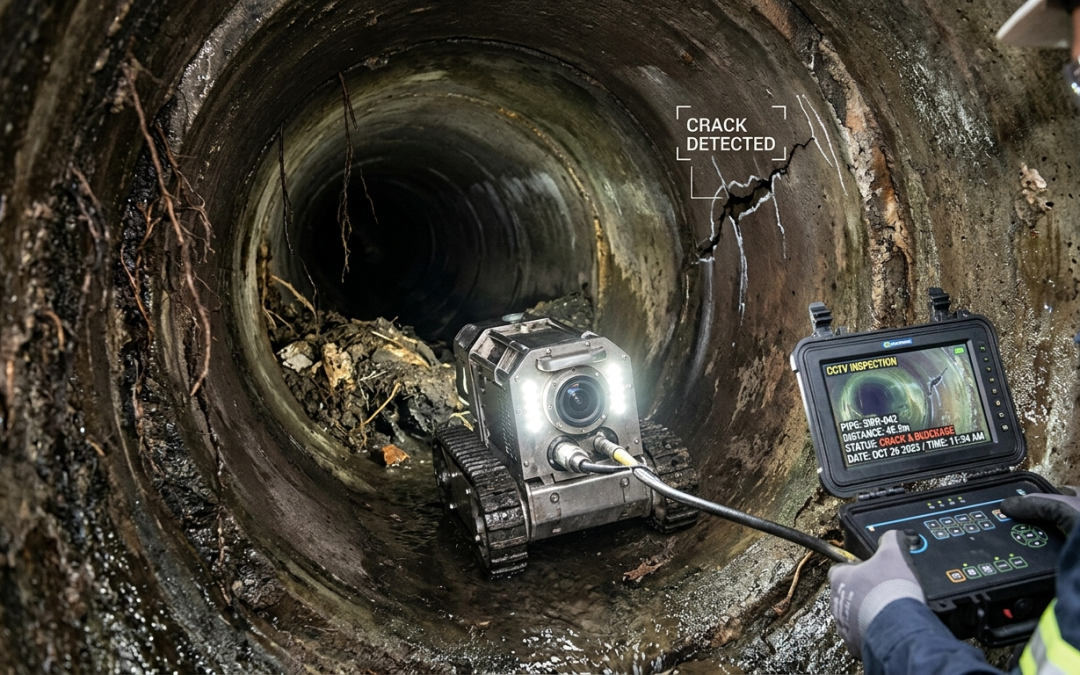
Sewer Inspection: Common Problems Found in Underground Pipes
A sewer inspection is one of the most effective ways to detect hidden issues in underground drainage systems before they become serious and costly. Since underground pipes are not visible from the surface, many property owners are unaware of existing damage until signs such as blockages, bad odors, or sewage backups begin to appear.
Modern sewer inspection methods, especially CCTV camera inspections, allow professionals to identify internal pipe problems quickly and accurately. By understanding the common issues found during a sewer inspection, property owners can take preventive action and avoid major repair costs in the future.
Why Sewer Inspection Is Important
A sewer inspection helps identify hidden damage that cannot be detected through surface-level observation. Underground pipes can develop cracks, leaks, or blockages over time due to environmental conditions, age, or improper use.
Without regular sewer inspection, these issues may continue to worsen until they cause severe drainage problems or property damage. Therefore, routine inspections are essential for maintaining a healthy drainage system.
In commercial and residential properties, sewer inspection is often the first step in diagnosing drainage-related issues accurately.
Tree Root Intrusion in Underground Pipes
One of the most common problems discovered during a sewer inspection is tree root intrusion. Tree roots naturally seek moisture and can enter small cracks or joints in underground pipes.
Once inside, roots continue to grow and expand, causing blockages and structural damage. Over time, this can restrict water flow and lead to serious drainage issues.
A sewer inspection using CCTV technology can quickly locate root intrusion and determine the extent of the damage.
Pipe Cracks and Structural Damage
Cracked or broken pipes are another common issue found during a sewer inspection. These cracks may occur due to soil movement, aging materials, or external pressure from heavy vehicles or nearby construction.
Small cracks can worsen over time and eventually lead to leaks or complete pipe collapse. In addition, structural damage may allow debris and soil to enter the pipe system.
Identifying these issues early helps reduce repair costs and prevent larger drainage failures.
Grease and Debris Build-Up
Grease accumulation and debris build-up are common causes of slow drainage and blockages. Over time, substances such as oil, soap residue, and food waste can stick to the inner walls of pipes.
This gradually reduces the diameter of the pipe and restricts water flow. During a sewer inspection, professionals can identify the level of build-up and recommend cleaning solutions such as high-pressure water jetting.
Regular maintenance helps prevent recurring blockage issues.
Misaligned or Collapsed Pipes
Underground pipes can shift or collapse due to soil erosion, heavy traffic loads, or poor installation. Misaligned pipes disrupt water flow and create areas where waste can accumulate.
Collapsed pipes are more serious and may completely block drainage systems. These problems are difficult to detect without professional sewer inspection equipment.
CCTV inspections provide clear visuals of pipe alignment and structural conditions.
Corrosion and Aging Pipes
Older drainage systems are more likely to suffer from corrosion and wear. Over time, metal pipes may rust, while older concrete or clay pipes may weaken and crack.
Corrosion reduces pipe strength and increases the risk of leakage or collapse. During a sewer inspection, professionals can assess whether aging pipes need repair or replacement.
Regular inspections are especially important for older properties.
Leakage and Water Seepage
Leaks are another issue commonly discovered during a sewer inspection. Small leaks may not be noticeable at first but can cause soil erosion and weaken nearby structures.
Water seepage can also attract tree roots and worsen existing drainage issues. Detecting leaks early helps prevent costly structural repairs.
A professional sewer inspection can pinpoint the exact location of leaks for efficient repair.
Foreign Objects Causing Blockages
Foreign objects such as wipes, sanitary products, or other non-flushable materials often cause serious sewer blockages.
These objects can become trapped in pipe joints or narrow sections, restricting water flow. During a sewer inspection, professionals can identify the blockage and determine the best removal method.
Educating property occupants about proper waste disposal can reduce these issues.
Bad Odors and Sewer Gas Leaks
Unpleasant odors around a property may indicate hidden drainage issues. Sewer gas leaks or trapped waste in blocked pipes can produce strong smells.
A sewer inspection helps locate the source of these odors and identify whether the issue is caused by leakage, blockage, or ventilation problems.
Resolving these issues improves both hygiene and comfort.
How CCTV Sewer Inspection Works
CCTV sewer inspection uses a waterproof camera inserted into underground pipes. The camera sends real-time video footage to technicians for analysis.
This method allows professionals to inspect the internal condition of pipes without excavation. It is faster, more accurate, and less disruptive compared to traditional methods.
CCTV technology has become one of the most reliable tools in modern sewer inspection services.
Benefits of Early Detection
Early detection is one of the biggest advantages of regular sewer inspection. Finding problems early allows property owners to take action before damage becomes severe.
This reduces repair costs, minimizes property disruption, and extends the lifespan of the drainage system.
Routine inspections also help prevent emergency situations such as sewage backups or pipe collapse.
Conclusion
A sewer inspection is essential for identifying hidden underground pipe issues before they turn into major and costly problems. From tree root intrusion and grease build-up to cracks and collapsed pipes, many issues can remain unnoticed without proper inspection.
Using CCTV sewer inspection technology allows professionals to diagnose problems accurately and recommend effective solutions. Regular inspections and maintenance help protect properties, improve drainage performance, and reduce long-term repair costs.
More Info
Learn more about sewer services:
https://drainprosewer.com.my/
Explore professional inspection solutions:
https://drainprosewer.com.my/services/
Reference:
https://www.water.gov.my/
FAQs
1. What is sewer inspection?
It is the process of checking underground pipes for hidden damage or blockages.
2. How does CCTV sewer inspection work?
A camera is inserted into pipes to provide live internal footage.
3. Why is sewer inspection important?
It helps detect issues early and prevent costly repairs.
4. What problems can sewer inspection find?
Cracks, blockages, root intrusion, and collapsed pipes.
5. How often should sewer inspection be done?
At least once a year or when drainage problems occur.