
A well-maintained sewer system is critical for the safety and comfort of any home. Many homeowners neglect their drains until a major backup occurs, but early detection can save thousands in repairs. Knowing the warning signs that indicate your sewer system needs professional inspection allows you to act proactively and prevent costly damage.
In this guide, we’ll explore the most common indicators of plumbing trouble, explain why professional inspections are essential, and provide tips to maintain a healthy sewer system.
1. Slow Draining Sinks and Tubs
One of the first signs that a sewer system needs inspection is slow-draining fixtures. Water that takes longer than usual to drain can indicate a partial blockage in the pipes.
Potential causes:
-
Accumulation of hair, soap, or grease
-
Minor debris in main sewer lines
-
Pipe corrosion or misalignment
Professional solution:
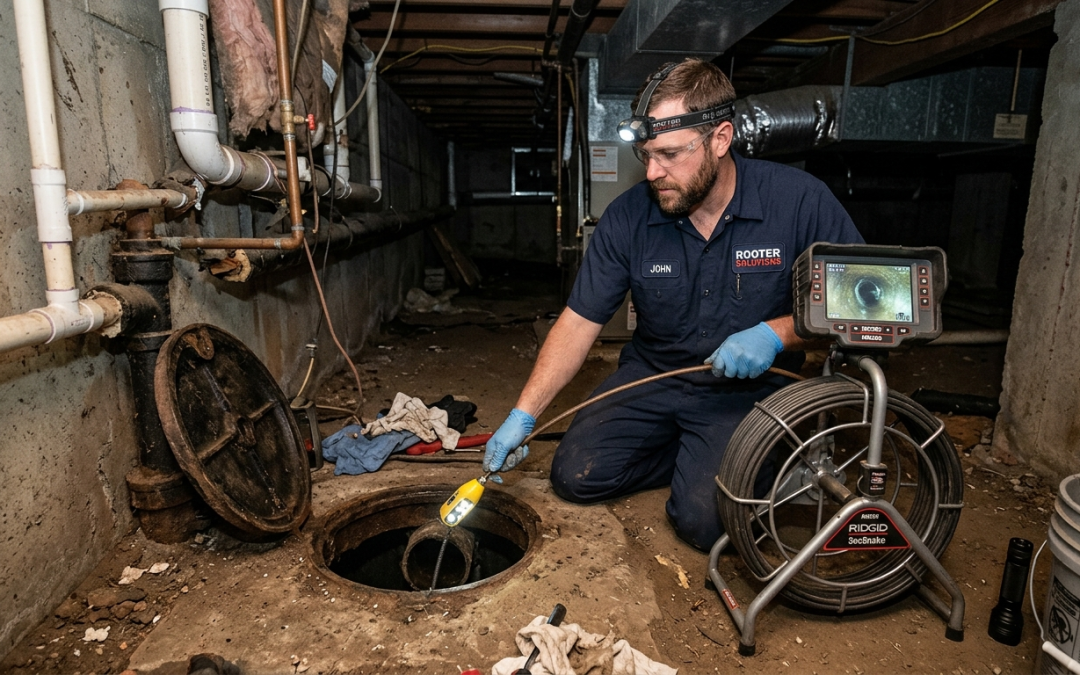
A plumber or drain specialist can perform a thorough inspection using tools like a drain camera or hydro-jetting equipment to locate and fix the problem before it worsens.
2. Gurgling Noises from Toilets or Drains
Unusual gurgling sounds are often caused by trapped air in clogged or partially blocked pipes. This is a warning that wastewater is struggling to flow properly.
Why it matters:
-
Ignoring gurgling can lead to backups
-
Can indicate damage in main sewer lines or venting issues
Professional intervention:
A licensed plumber can diagnose the exact cause, ensuring that small issues don’t escalate into major sewer failures.
3. Unpleasant or Persistent Odors
Foul smells emanating from drains or toilets can indicate a problem within your sewer system. These odors often result from sewage leaks or blockages that allow wastewater to accumulate.
What to check:
-
Smell near bathroom or kitchen drains
-
Odors in the basement or crawl space
Expert tip:
Immediate inspection is crucial to avoid health hazards and property damage.
4. Water Backup in Low-Lying Areas
Basements, laundry rooms, or other low-lying areas that experience water pooling are serious warning signs. These may indicate a blockage or damage in the main sewer line.
Risks:
-
Property damage
-
Mold growth
-
Health hazards from contaminated water
A professional sewer system inspection ensures that blockages are cleared and pipes repaired to prevent repeated backups.
5. Tree Root Intrusion
Tree roots naturally grow toward water sources, including sewer pipes. Roots can infiltrate cracks and joints in old pipes, causing blockages and even pipe collapse.
Warning signs of root intrusion:
-
Slow drainage in multiple fixtures
-
Sudden pipe clogs that reoccur quickly
Professional plumbers can inspect for root intrusion and provide solutions such as root removal or pipe lining.
6. Frequent Sewer or Drain Backups
If your home experiences repeated backups, it’s a clear signal that your sewer system needs professional inspection. Frequent clogs may indicate serious issues like:
-
Collapsed pipes
-
Severe blockages
-
Aging infrastructure
Ignoring repeated backups can lead to extensive damage and high repair costs.
Conclusion
Recognizing the signs that your sewer system needs inspection is crucial for preventing costly damage, health risks, and inconvenient backups. Slow drains, gurgling noises, unpleasant odors, water pooling, and root intrusion are all indicators that it’s time to call a professional plumber.
Regular inspections, combined with proactive maintenance, help homeowners ensure that their sewer system functions efficiently and safely. Don’t wait for an emergency—schedule a professional sewer system inspection today to protect your home and peace of mind.
FAQs
1. How often should I schedule a sewer system inspection?
Most homeowners should have their sewer system inspected every 1–2 years, or sooner if they notice warning signs.
2. Can I inspect my sewer system myself?
While minor clogs can be addressed at home, professional inspections are recommended for detecting hidden damage or blockages.
3. What are the main causes of sewer backups?
Common causes include grease buildup, foreign objects, root intrusion, pipe corrosion, and misaligned joints.
4. How much does a professional sewer system inspection cost?
Costs vary depending on the size of the property and type of inspection, but early detection can save significant repair expenses.