
Why Professional Manhole Inspections Help Prevent Costly Sewer Repairs
Underground sewer systems play a vital role in transporting wastewater safely away from residential, commercial, and industrial properties. Although most property owners pay attention to visible drainage problems such as slow drains or overflowing manholes, the condition of the manholes themselves is often overlooked.
Manholes are essential access points that allow drainage specialists to inspect, maintain, and repair underground sewer networks. Over time, however, manholes may develop structural defects, accumulate debris, or experience blockages that affect the overall performance of the drainage system.
Without regular inspections, these hidden issues may remain undetected until they result in major sewer failures, wastewater overflows, property damage, or expensive emergency repairs.
Professional manhole inspections help identify developing problems before they become serious. Through routine assessments, drainage specialists can evaluate the condition of underground infrastructure, recommend timely maintenance, and help extend the lifespan of sewer systems.
Understanding the importance of professional manhole inspections allows property owners to take a proactive approach to drainage maintenance while reducing long-term repair costs.
What Is a Manhole Inspection?
A manhole inspection is a professional assessment of a manhole and its surrounding sewer infrastructure.
Drainage specialists inspect the manhole to evaluate its structural condition, identify blockages, and assess the performance of the connected sewer network.
A professional inspection may include checking:
- Manhole covers
- Chamber walls
- Pipe connections
- Water flow
- Structural condition
- Debris accumulation
- Signs of damage
These inspections provide valuable information about the health of the underground drainage system and help detect issues before they escalate.
Why Manholes Are Important
Manholes provide safe access to underground sewer pipes for inspection, maintenance, cleaning, and repairs.
Without properly functioning manholes, it becomes much more difficult to maintain sewer infrastructure efficiently.
Manholes help drainage specialists:
- Inspect underground pipes
- Remove blockages
- Perform CCTV inspections
- Carry out maintenance
- Repair damaged sewer lines
- Monitor wastewater flow
Because they are critical access points, keeping manholes in good condition supports the reliability of the entire drainage network.
Detecting Hidden Sewer Problems Early
Many underground drainage issues begin long before obvious warning signs appear.
Professional manhole inspections help identify hidden problems such as:
- Small blockages
- Pipe misalignment
- Sediment buildup
- Structural deterioration
- Water infiltration
- Joint separation
Early detection allows maintenance to be scheduled before these issues develop into larger and more expensive sewer repairs.
Identifying Structural Damage
Manholes are exposed to constant environmental conditions, traffic loads, and wastewater movement.
Over time, structural deterioration may occur.
Professional inspections help identify:
- Cracked chamber walls
- Damaged manhole covers
- Broken frames
- Surface settlement
- Corrosion
- Concrete deterioration
Addressing structural defects early helps prevent further damage while improving the safety and reliability of the drainage system.
Preventing Sewer Blockages
One of the primary purposes of regular manhole inspections is identifying conditions that may eventually lead to sewer blockages.
Inspectors often discover:
- Grease accumulation
- Sludge buildup
- Sediment deposits
- Tree root intrusion
- Foreign objects
- Debris restricting flow
Removing these materials before they completely obstruct wastewater flow helps reduce the risk of unexpected sewer backups and emergency call-outs.
Improving Drainage System Performance
An efficiently functioning sewer system depends on unrestricted wastewater flow.
Professional manhole inspections allow drainage specialists to identify areas where drainage performance may be declining.
Regular inspections help:
- Improve wastewater flow
- Reduce drainage restrictions
- Prevent recurring blockages
- Support sewer reliability
- Improve overall system efficiency
Maintaining smooth wastewater movement reduces stress on the entire underground drainage network.
Supporting CCTV Sewer Inspections
Professional manholes also serve as important access points for CCTV sewer inspections.
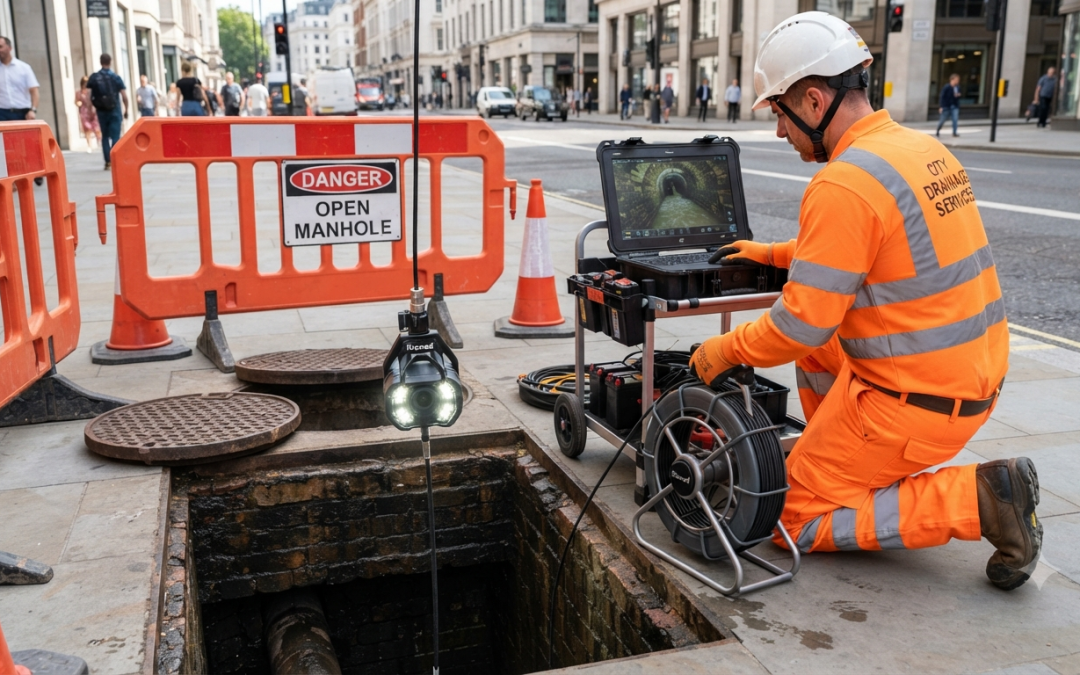
Inspection cameras can be inserted through manholes to examine underground sewer pipes without excavation.
This allows technicians to identify:
- Pipe cracks
- Root intrusion
- Blockages
- Pipe collapse
- Joint failures
- Internal deterioration
Combining manhole inspections with CCTV technology provides a more complete understanding of the condition of underground sewer infrastructure.
Reducing Emergency Sewer Repairs
Emergency sewer repairs are often expensive, disruptive, and time-consuming.
Many emergency situations develop because small drainage issues remain undetected for long periods.
Professional manhole inspections help reduce the likelihood of unexpected sewer failures by identifying problems before they escalate.
Preventive inspections can help avoid:
- Wastewater overflows
- Sewer backups
- Flooded manholes
- Collapsed sewer pipes
- Emergency excavation
- Business interruptions
By addressing developing issues early, property owners can significantly reduce the cost and inconvenience associated with emergency drainage repairs.
Protecting Commercial and Industrial Properties
Commercial and industrial properties often place greater demands on underground drainage systems than residential buildings.
Facilities such as:
- Shopping centres
- Restaurants
- Hotels
- Factories
- Warehouses
- Office buildings
generate large volumes of wastewater every day.
Regular professional manhole inspections help ensure these drainage systems continue operating efficiently while reducing the risk of unexpected disruptions that could affect daily business operations.
Extending the Lifespan of Sewer Infrastructure
Underground sewer systems represent a significant long-term investment.
Regular inspections help preserve this infrastructure by identifying developing defects before they become major structural failures.
Professional manhole inspections contribute to:
- Longer sewer pipe lifespan
- Reduced structural deterioration
- Improved drainage reliability
- Lower maintenance costs
- Better asset management
Preventive maintenance is often far more economical than replacing damaged underground sewer infrastructure.
Improving Public and Workplace Safety
Damaged or deteriorating manholes may create safety risks for both pedestrians and vehicles.
Potential hazards include:
- Loose manhole covers
- Sunken manholes
- Broken frames
- Surface collapse
- Flooded access points
Routine inspections help identify these issues before they create dangerous situations.
Maintaining safe and structurally sound manholes protects both public safety and surrounding infrastructure.
Why Professional Drainage Specialists Matter
Although manholes are visible, accurately assessing their condition requires specialised knowledge and equipment.
Professional drainage specialists understand how underground sewer systems operate and know what warning signs to look for during an inspection.
Professional services may include:
- Comprehensive manhole inspections
- CCTV sewer inspections
- Sewer cleaning
- High-pressure water jetting
- Structural assessments
- Preventive maintenance planning
Working with experienced drainage professionals helps ensure problems are accurately diagnosed and appropriate maintenance solutions are recommended.
Creating a Preventive Maintenance Programme
The most effective way to protect underground sewer infrastructure is through scheduled maintenance rather than waiting for problems to occur.
A preventive maintenance programme may include:
- Routine manhole inspections
- CCTV sewer surveys
- Sewer cleaning
- Drainage performance monitoring
- Structural condition assessments
- Scheduled maintenance recommendations
Regular inspections provide valuable information that helps property owners manage drainage systems more efficiently while reducing unexpected repair costs.
Long-Term Benefits of Professional Manhole Inspections
Routine manhole inspections provide many long-term operational and financial benefits.
Benefits include:
✔ Early problem detection
✔ Reduced sewer repair costs
✔ Improved drainage performance
✔ Longer sewer infrastructure lifespan
✔ Reduced emergency repairs
✔ Better public safety
✔ Improved wastewater flow
✔ Greater peace of mind
Investing in preventive inspections helps property owners maintain reliable drainage systems while avoiding the disruption and expense of major sewer failures.
Conclusion
Professional manhole inspections are an essential part of maintaining a healthy and reliable underground sewer system. Although manholes are often overlooked during routine property maintenance, they provide critical access to underground drainage infrastructure and play an important role in identifying developing sewer problems before they become costly emergencies.
By inspecting the structural condition of manholes, monitoring wastewater flow, and identifying issues such as blockages, sediment buildup, damaged pipe connections, and structural deterioration, drainage specialists can recommend timely maintenance that helps protect the entire sewer network. Early detection not only reduces repair costs but also minimises the risk of wastewater overflows, drainage failures, and unexpected business disruptions.
Regular manhole inspections also support other preventive maintenance services, including CCTV sewer inspections, high-pressure water jetting, and scheduled sewer cleaning. Together, these services improve drainage performance, extend the lifespan of underground infrastructure, and help property owners manage their drainage systems more effectively.
Whether you own a residential property, commercial building, industrial facility, or managed development, investing in professional manhole inspections is a proactive way to improve drainage reliability, reduce long-term maintenance costs, and protect valuable underground assets.
FAQs
1. What is a professional manhole inspection?
A professional manhole inspection is a detailed assessment of a manhole and its connected sewer infrastructure. Drainage specialists inspect the structural condition, wastewater flow, pipe connections, debris accumulation, and signs of deterioration to identify potential problems before they develop into major sewer failures.
2. Why are regular manhole inspections important?
Regular inspections help detect hidden drainage problems such as blockages, structural damage, sediment buildup, root intrusion, and pipe defects. Early detection allows maintenance to be carried out before costly repairs or emergency sewer failures occur.
3. How often should manholes be inspected?
The inspection frequency depends on the property’s drainage usage and the condition of the sewer system. Commercial, industrial, and high-usage properties generally benefit from more frequent inspections, while routine preventive maintenance helps ensure long-term drainage reliability.
4. Can manhole inspections prevent sewer blockages?
Yes. Professional inspections help identify grease buildup, sludge, debris, tree roots, and other obstructions before they completely restrict wastewater flow. Addressing these issues early significantly reduces the risk of recurring sewer blockages and overflows.
5. Are manhole inspections combined with CCTV sewer inspections?
Yes. In many cases, manholes provide the access points for CCTV sewer inspections. By combining both services, drainage specialists can inspect the condition of underground sewer pipes, identify hidden structural problems, and recommend the most appropriate maintenance or repair solutions.