
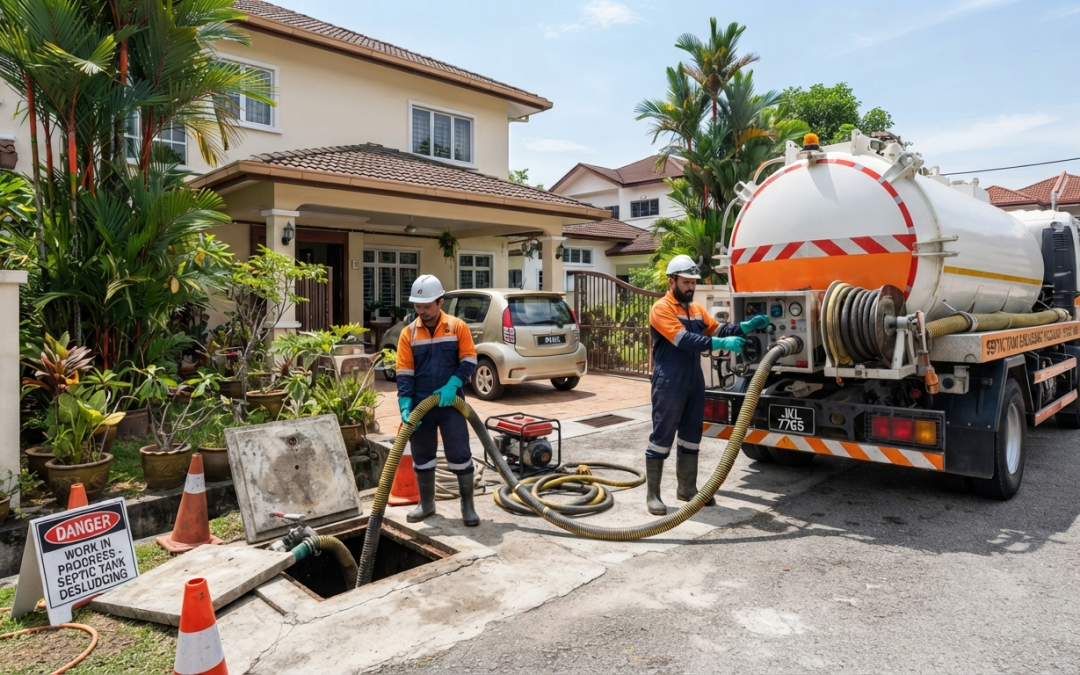
Why Regular Desludging Helps Maintain Septic Tanks and Sewage Systems
Septic tanks and sewage treatment systems play an important role in managing wastewater from residential, commercial, and industrial properties. These systems collect and treat wastewater, allowing solids and other materials to separate from liquid waste before the treated wastewater continues through the system.
However, septic tanks and sewage systems cannot operate efficiently if accumulated sludge is allowed to build up for too long.
Over time, solid waste settles at the bottom of a septic tank or sewage treatment system and gradually forms a layer of sludge. As this layer becomes thicker, it reduces the available capacity of the tank and can affect the system’s ability to process wastewater effectively.
Regular desludging removes accumulated sludge before it becomes a serious problem. Professional desludging helps maintain system capacity, reduce the risk of blockages and overflows, and support more reliable wastewater management.
For property owners, businesses, and facilities that depend on septic tanks or sewage treatment plants, scheduled desludging should be an important part of preventive maintenance.
What Is Desludging?
Desludging is the process of removing accumulated sludge, solid waste, and other settled materials from septic tanks, sewage treatment plants, and wastewater systems.
As wastewater enters a septic tank, heavier solids gradually settle at the bottom while lighter materials may float near the surface.
Over time, the accumulated solids form sludge.
Professional desludging removes this material using specialised equipment and trained personnel.
Regular desludging helps restore available tank capacity and allows the wastewater system to continue operating more effectively.
Why Sludge Builds Up Over Time
Sludge accumulation is a natural part of septic tank and sewage treatment system operation.
Every time wastewater enters the system, it can contain:
- Solid waste
- Organic matter
- Food residue
- Suspended particles
- Grease
- Other wastewater contaminants
Some of these materials settle inside the tank rather than being completely broken down or removed.
As more wastewater enters the system, the sludge layer gradually becomes thicker.
Without scheduled maintenance, the available space for wastewater decreases and the system may eventually struggle to function properly.
Why Septic Tank Capacity Matters
A septic tank has a limited capacity.
When excessive sludge occupies too much of the tank, there is less available space for incoming wastewater.
This can affect:
- Wastewater flow
- Solid separation
- Treatment efficiency
- Tank performance
- Overall system capacity
Regular desludging helps remove accumulated solids before they significantly reduce the tank’s usable capacity.
Maintaining sufficient capacity allows the system to continue handling wastewater more effectively.
Preventing Septic Tank Overflows
One of the major risks of excessive sludge accumulation is an overflow.
When a septic tank becomes overloaded with sludge, wastewater may not move through the system as intended.
This can contribute to:
- Slow drainage
- Wastewater backups
- Foul odours
- Overflowing tanks
- Contaminated surrounding areas
Regular desludging reduces the amount of accumulated material inside the system and helps lower the risk of these problems.
Preventive maintenance is generally preferable to waiting until an overflow occurs and requires urgent attention.
Reducing the Risk of Sewage Blockages
Excessive sludge can interfere with the normal movement of wastewater through a septic or sewage system.
When solids accumulate beyond manageable levels, they may contribute to restrictions and blockages within connected pipes or components.
Regular desludging helps remove accumulated solids before they create larger problems.
This is particularly important for properties with high wastewater usage, where sludge can accumulate more quickly.
Maintaining Better Sewage System Performance
A well-maintained sewage system can process wastewater more efficiently than a neglected system with excessive sludge accumulation.
Regular desludging supports:
- Better wastewater flow
- More available tank capacity
- Improved system efficiency
- Reduced risk of backups
- More reliable wastewater management
Instead of allowing problems to develop gradually, scheduled desludging provides a proactive way to maintain the condition of the system.
Why Commercial Properties Need Regular Desludging
Commercial properties can generate significantly more wastewater than typical residential properties.
Businesses such as:
- Restaurants
- Hotels
- Factories
- Commercial buildings
- Food processing facilities
- Industrial sites
may place substantial demands on their wastewater systems.
Higher wastewater volumes can contribute to faster sludge accumulation, making regular maintenance particularly important.
A planned desludging schedule helps businesses reduce the risk of unexpected sewage problems that could interrupt daily operations.
Desludging for Sewage Treatment Plants
Desludging is not limited to septic tanks.
Sewage treatment plants also require proper sludge management to maintain effective operation.
Accumulated sludge can affect treatment processes and reduce the available capacity of different components within the system.
Professional desludging services can help remove accumulated waste from sewage treatment facilities while supporting ongoing maintenance requirements.
DrainPro Sewer specifically provides desludging services for septic tanks and sewage treatment plants, making this an important service area for property and facility owners to consider.
Signs Your Septic Tank May Need Desludging
Property owners should pay attention to changes in drainage and wastewater performance.
Common warning signs that may indicate excessive sludge accumulation include:
- Slow-draining sinks
- Toilets that flush poorly
- Persistent sewage odours
- Gurgling sounds from drains
- Wastewater backing up
- Wet or unusually damp areas near the tank
- Sewage overflowing from the system
- Frequent drainage problems
These symptoms do not always mean that sludge is the only cause. Blocked pipes, damaged components, or other sewerage problems can produce similar signs.
Professional inspection can help determine whether desludging or another maintenance solution is required.
Regular Desludging Helps Prevent Costly Repairs
Waiting until a septic tank or sewage system overflows can turn a routine maintenance issue into an expensive emergency.
Excessive sludge accumulation may contribute to problems affecting connected pipes, drainage components, and wastewater treatment processes.
Emergency situations can result in additional costs associated with:
- Urgent service calls
- Extensive cleaning
- Pipe blockage removal
- Property clean-up
- Damaged drainage components
- Operational disruption
Regular desludging provides a proactive approach that helps identify and manage sludge accumulation before it develops into a more serious problem.
Protecting the Surrounding Property
A poorly maintained septic or sewage system can affect more than the tank itself.
Overflowing wastewater may reach surrounding areas and create unpleasant conditions around homes, businesses, or industrial facilities.
Potential consequences include:
- Unpleasant odours
- Unsanitary conditions
- Contaminated surrounding areas
- Disruption to property use
- Additional cleaning requirements
Maintaining the wastewater system through appropriate desludging and professional maintenance helps reduce the likelihood of these problems.
Supporting Better Hygiene and Environmental Management
Proper wastewater management is important for maintaining a clean and healthy environment.
When septic tanks and sewage treatment systems are properly maintained, property owners can reduce the likelihood of uncontrolled wastewater overflow and poor sanitation conditions.
Professional desludging also ensures accumulated waste is handled using appropriate equipment and procedures rather than being left to accumulate inside the system.
For businesses and facilities, proper sewage maintenance can also support cleaner working environments and responsible wastewater management.
Why Professional Desludging Is Better Than Delaying Maintenance
Sludge removal requires specialised equipment, appropriate handling procedures, and trained personnel.
Professional desludging services are designed to safely remove accumulated waste from septic tanks and sewage systems.
A professional service can help property owners:
- Assess the condition of the system
- Remove accumulated sludge
- Restore available tank capacity
- Reduce the risk of overflow
- Maintain wastewater system performance
- Identify potential maintenance concerns
DrainPro Sewer provides professional desludging services using specialised equipment, expertise, and manpower, including septic tank and sewage treatment plant desludging.
How Often Should Septic Tanks Be Desludged?
There is no single desludging schedule that is suitable for every property.
The appropriate frequency depends on factors such as:
- Tank size
- Number of users
- Wastewater volume
- Property type
- Usage patterns
- Sludge accumulation rate
- Condition of the system
Residential properties with fewer occupants may have different requirements from commercial or industrial facilities with much higher wastewater volumes.
Instead of relying on a fixed schedule alone, property owners should consider professional assessment and the actual condition of the system.
Desludging for Commercial and Industrial Facilities
Commercial and industrial properties often have more complex wastewater requirements than residential properties.
Facilities with high wastewater volumes may include:
- Hotels
- Restaurants
- Factories
- Commercial buildings
- Food processing facilities
- Industrial premises
Regular maintenance helps these properties reduce the risk of wastewater-related disruptions.
For businesses, unexpected sewage problems can affect employees, customers, production, hygiene, and daily operations.
A planned desludging programme can therefore form an important part of broader sewerage maintenance.
Combining Desludging With Other Sewerage Maintenance
Desludging should not necessarily be viewed as a standalone solution.
A complete sewerage maintenance programme may also involve:
- Drainage cleaning
- Sewer blockage removal
- CCTV drain inspection
- Manhole maintenance
- Grease trap maintenance
- Water jetting
- Regular system inspections
Combining appropriate maintenance services allows property owners to address different parts of the wastewater system rather than focusing only on visible problems.
DrainPro Sewer provides several of these sewerage and drainage services, including CCTV drain inspection, drainage clean-up, manhole blockage solutions, grease trap maintenance, and company sewerage blockage and maintenance.
Why Preventive Desludging Is a Smart Maintenance Strategy
A septic tank or sewage treatment system may appear to be working normally even while sludge is gradually accumulating inside.
This makes preventive maintenance particularly important.
Regular desludging helps property owners move from a reactive approach—waiting for an overflow or blockage—to a preventive approach that manages the system before major problems occur.
The long-term benefits can include:
✔ Better wastewater system performance
✔ Reduced risk of sewage overflow
✔ Lower likelihood of emergency repairs
✔ Improved tank capacity
✔ Better property hygiene
✔ More reliable wastewater management
✔ Reduced operational disruption
Preventive desludging is therefore an important consideration for properties that depend on septic tanks or sewage treatment systems.
The Long-Term Benefits of Regular Desludging
Regular desludging is an important investment in the long-term condition of septic tanks and sewage treatment systems.
By removing accumulated sludge before it reaches excessive levels, property owners can help maintain system capacity and reduce the likelihood of unexpected wastewater problems.
Long-term benefits include:
✔ Improved wastewater management
✔ Reduced risk of sewage overflow
✔ Better system capacity
✔ Lower risk of emergency repairs
✔ Improved property hygiene
✔ More reliable sewage system performance
✔ Better maintenance planning
✔ Reduced operational disruption
Regular maintenance also makes it easier to identify developing problems before they become more difficult and expensive to address.
Creating a Preventive Desludging Schedule
A preventive maintenance programme helps property owners manage desludging before problems occur.
The appropriate schedule should consider the property’s:
- Tank capacity
- Wastewater usage
- Number of occupants
- Type of property
- System design
- Sludge accumulation
Residential, commercial, and industrial properties may require different maintenance approaches.
Businesses and facilities with higher wastewater volumes should pay particular attention to their desludging requirements because their systems may accumulate sludge more quickly.
Professional assessment can help determine an appropriate maintenance approach based on actual system conditions.
Why Professional Desludging Services Are Important
Septic tanks and sewage treatment plants contain wastewater and accumulated waste that should be handled using suitable equipment and procedures.
Professional desludging services provide the equipment, manpower, and experience needed to remove accumulated sludge efficiently.
DrainPro Sewer provides desludging services, septic tank desludging, and sewage treatment plant desludging as part of its sewerage services.
Using professional services helps property owners avoid relying on unsuitable cleaning methods while ensuring that accumulated waste is properly managed.
Desludging Supports Reliable Property Operations
For residential properties, a properly maintained septic system helps reduce unpleasant disruptions such as sewage backups and overflowing wastewater.
For businesses, the importance can be even greater.
A sewage problem may affect:
- Employees
- Customers
- Workplace hygiene
- Daily operations
- Property use
- Business reputation
Regular desludging helps reduce the likelihood of these disruptions and supports more reliable wastewater management.
Why You Should Not Wait for an Overflow
Many property owners only arrange septic tank or sewage maintenance after noticing a serious problem.
However, an overflow is often a sign that the system has already reached a critical condition.
Waiting until an emergency occurs may result in:
- More extensive cleaning
- Greater disruption
- Higher emergency service costs
- Property contamination
- Additional repairs
Preventive desludging allows property owners to manage sludge accumulation before it develops into a major wastewater problem.
Conclusion
Regular desludging is an essential part of maintaining septic tanks and sewage treatment systems. As sludge naturally accumulates over time, failing to remove it can reduce tank capacity, affect wastewater flow, and increase the risk of backups, unpleasant odours, and sewage overflows.
A preventive approach allows property owners to maintain their systems before serious problems occur. Regular desludging can help support better wastewater management, reduce unexpected disruptions, and protect the surrounding property.
The right desludging frequency depends on factors such as tank size, wastewater volume, property usage, and system condition. For this reason, professional assessment and scheduled maintenance are valuable for both residential and commercial properties.
DrainPro Sewer provides professional desludging services for septic tanks and sewage treatment plants, helping property owners maintain reliable wastewater systems with appropriate equipment and expertise.
Investing in regular desludging is a proactive way to protect your sewage infrastructure, reduce emergency problems, and maintain a cleaner and more reliable property environment.
FAQs
1. What is septic tank desludging?
Septic tank desludging is the process of removing accumulated sludge and solid waste from inside a septic tank. Regular removal helps maintain available tank capacity and supports proper wastewater system operation.
2. Why is regular desludging important?
Regular desludging prevents excessive sludge accumulation from reducing tank capacity and interfering with wastewater management. It can also help reduce the risk of backups, overflows, unpleasant odours, and costly emergency repairs.
3. How often should a septic tank be desludged?
There is no single schedule suitable for every property. The required frequency depends on tank size, wastewater volume, number of users, property type, and sludge accumulation. Professional assessment can help determine suitable maintenance intervals.
4. Can commercial properties require more frequent desludging?
Yes. Commercial and industrial properties may generate significantly higher wastewater volumes than residential properties. Businesses should assess their usage and system conditions to determine an appropriate desludging programme.
5. Does DrainPro Sewer provide sewage treatment plant desludging?
Yes. DrainPro Sewer lists sewage treatment plant desludging and septic tank desludging among its professional services.